

Got a Wildlife Problem? Here's Every Species We Remove (And How We Do It)
A raccoon in the attic. A bat colony behind the fascia. Squirrels chewing through wiring. If you live in Forsyth County, you know these aren't rare events. These wildlife intrusions are a fact of life when your neighborhood backs up to Georgia's woods and wetlands.
This guide covers every species we handle here at Catch A Critter, what signs to look for, and exactly what happens when you call
wildlife removal specialists like us.
TL;DR — Got a Wildlife Problem? Here's Every Species We Remove (And How We Do It)
- We remove raccoons, bats, squirrels, snakes, skunks, and birds from residential and commercial properties
- Every job includes inspection, humane removal, and permanent exclusion—backed by our workmanship guarantee
- Same-day and emergency service available throughout Forsyth County
- Serving Cumming, Suwanee, Johns Creek, Alpharetta, Canton, and surrounding areas
What Species Do We Remove?
Here's a quick overview of the wildlife we handle most frequently in Forsyth County:
| Species | Common Entry Points | Key Risk | Our Solution |
|---|---|---|---|
| Raccoons | Roof vents, soffits, attic fans | Structural damage, roundworm | Trap & remove, attic remediation |
| Bats | Ridge vents, gaps at roofline | Histoplasmosis, rabies | Exclusion devices, guano cleanup |
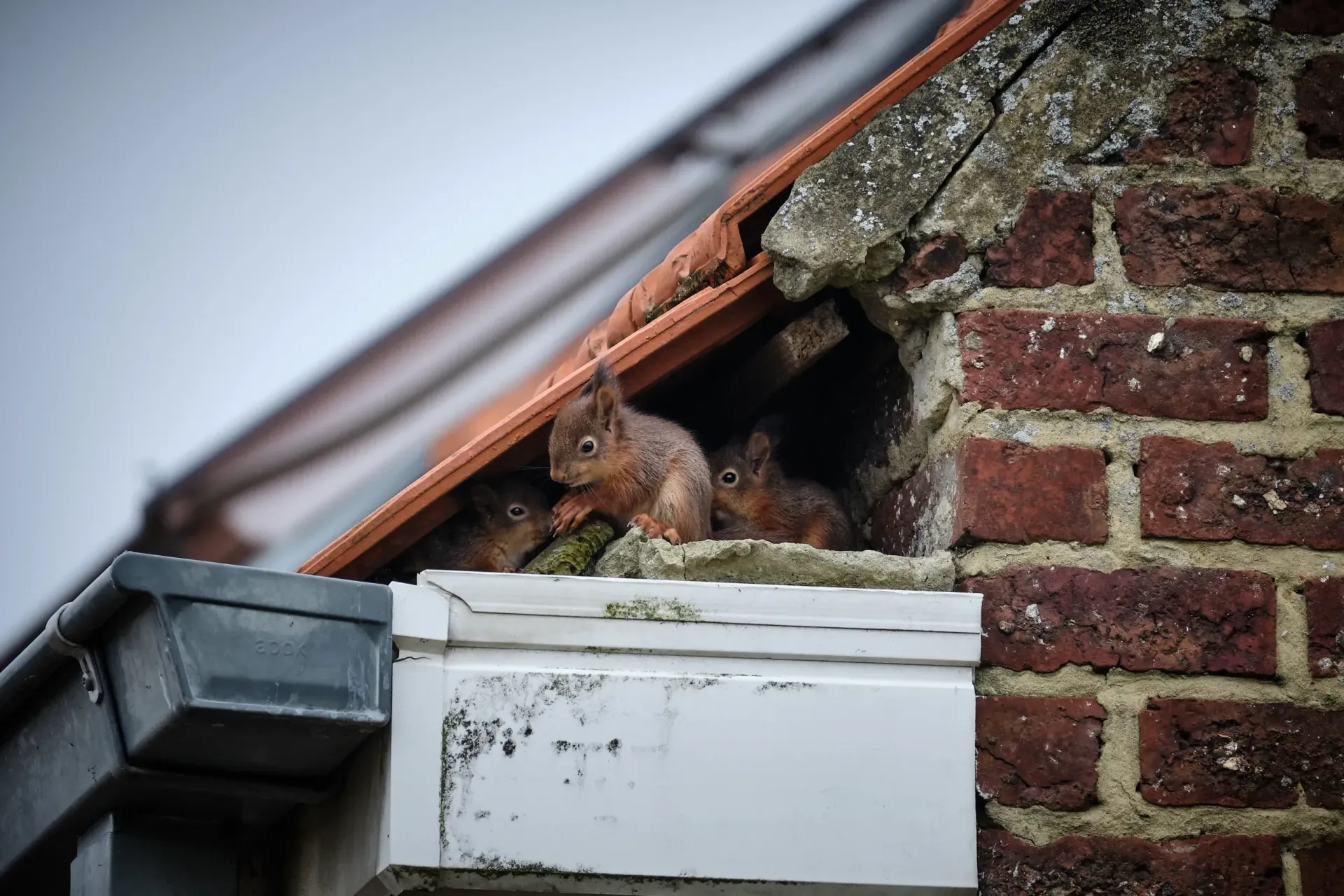
| Squirrels | Fascia gaps, gable vents | Electrical fires, insulation damage | Live trapping, vent sealing |
| Snakes | Ground-level gaps, crawl spaces | Venomous species risk | Humane removal, habitat modification |
| Skunks | Under decks, foundation vents | Spray, rabies vector | Trap & remove, odor treatment |
| Birds | Dryer vents, chimney caps | Nesting blockage, mites | Nest removal, vent guards |
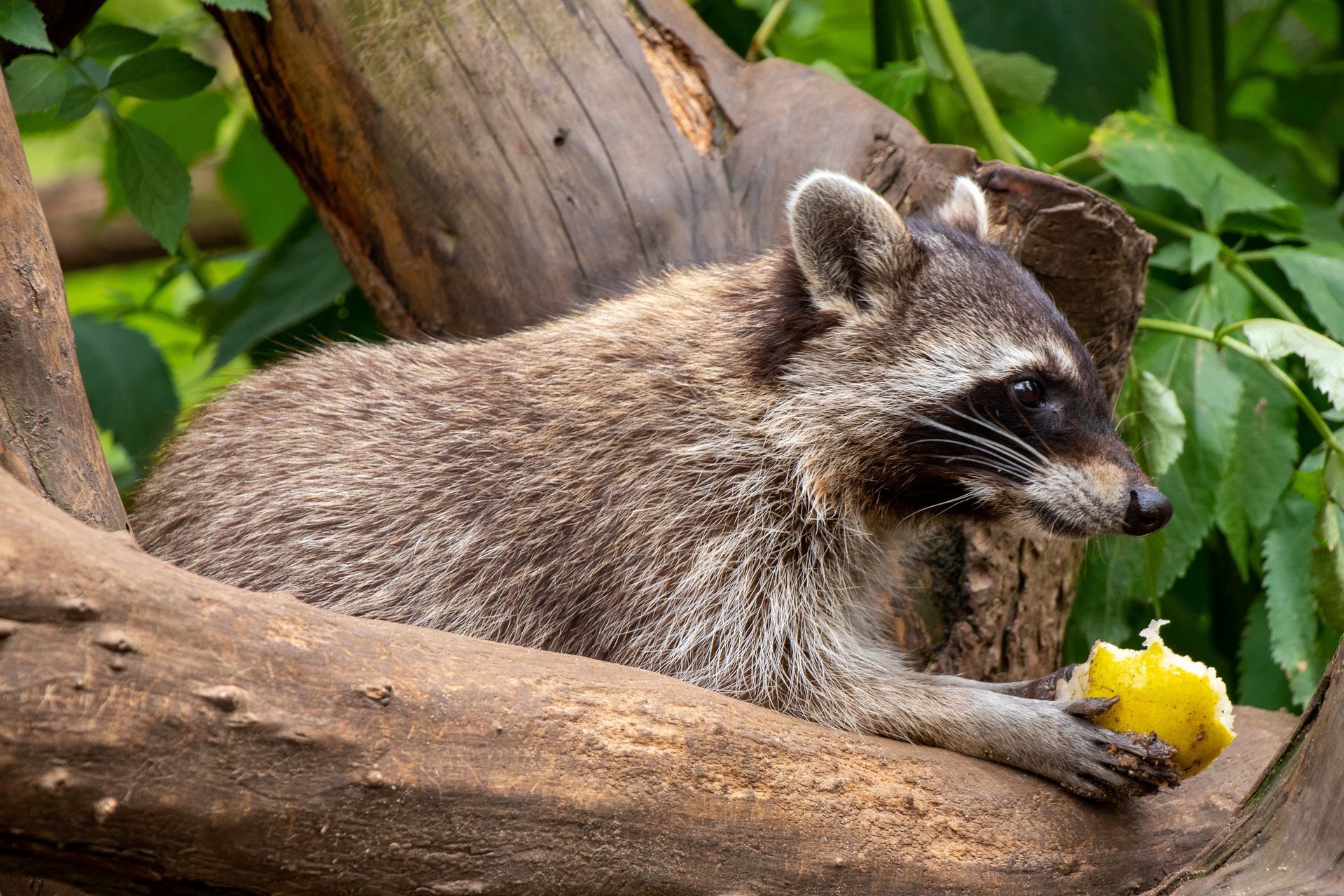
Raccoon Removal: The Most Common Call We Get
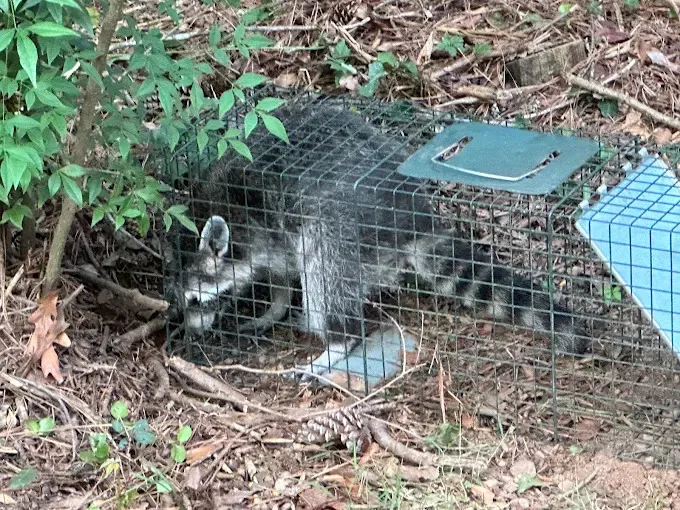
Raccoons are Forsyth County's most frequent attic invaders. A female looking for a denning site can tear through roof decking, rip out soffit panels, and be inside your attic in under ten minutes.
What you'll notice first:
- Heavy thumping or rolling sounds at night
- Damage around roof vents or soffit edges
- Feces accumulating in insulation (raccoon latrines are a serious contamination hazard—their feces can contain Baylisascaris procyonis, a roundworm that survives in soil for years)
What we do:
- Full attic inspection to locate entry points and assess damage
- Humane live trapping — relocation per Georgia DNR regulations
- Attic remediation: soiled insulation removal, sanitization, and re-insulation where needed
- Permanent exclusion sealing of all entry points
Our NWCOA-certified technicians handle every step. You can verify our Georgia DNR wildlife control operator license on the DNR's public license lookup.
Bat Removal: Why You Can't Just Seal Them Out
Bats are protected under state and federal law, which means you cannot trap, kill, or relocate them. The only legal approach is exclusion, and it has to be done correctly.
Why this matters: If you seal bats inside a structure, they die in the walls. The resulting odor, guano accumulation, and potential histoplasmosis exposure create health and structural problems far worse than the original colony.
The correct process:
- Identify all roosting entry points (often dozens in a single structure)
- Install one-way exclusion devices—bats exit but cannot re-enter
- Monitor for full colony departure (timing depends on species and season)
- Permanently seal all entry points after confirmed departure
- Guano cleanup and affected insulation removal
Bat guano contains Histoplasma capsulatum spores. Disturbing guano deposits without proper respiratory protection and containment is a serious health hazard. Household products cannot neutralize fungal spores. This is not a DIY job.
Our licensed and insured technicians carry full PPE for guano remediation and follow
Georgia EPD guidelines throughout.
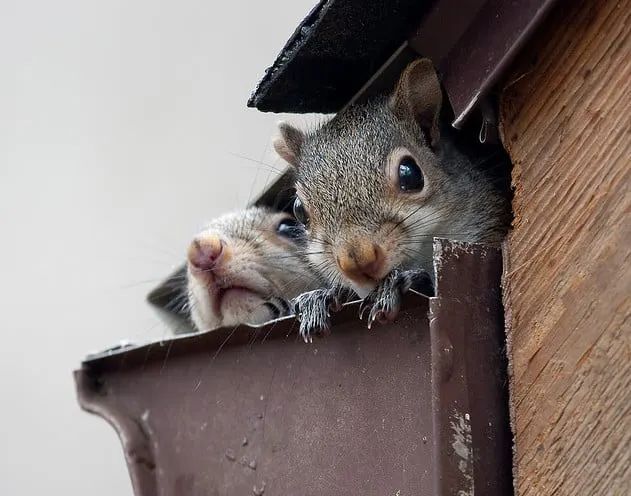
Squirrel Removal: Small Animal, Big Damage
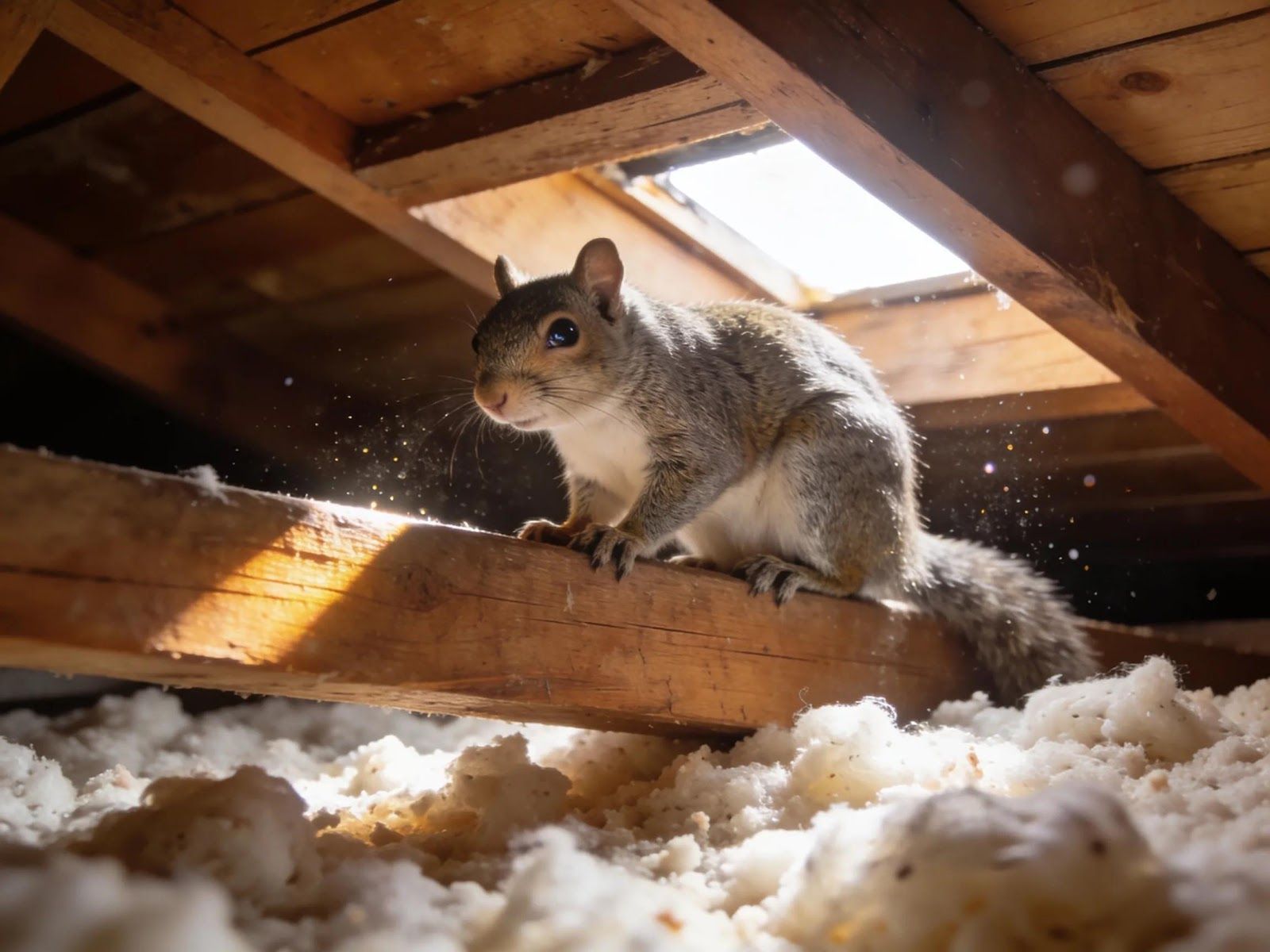
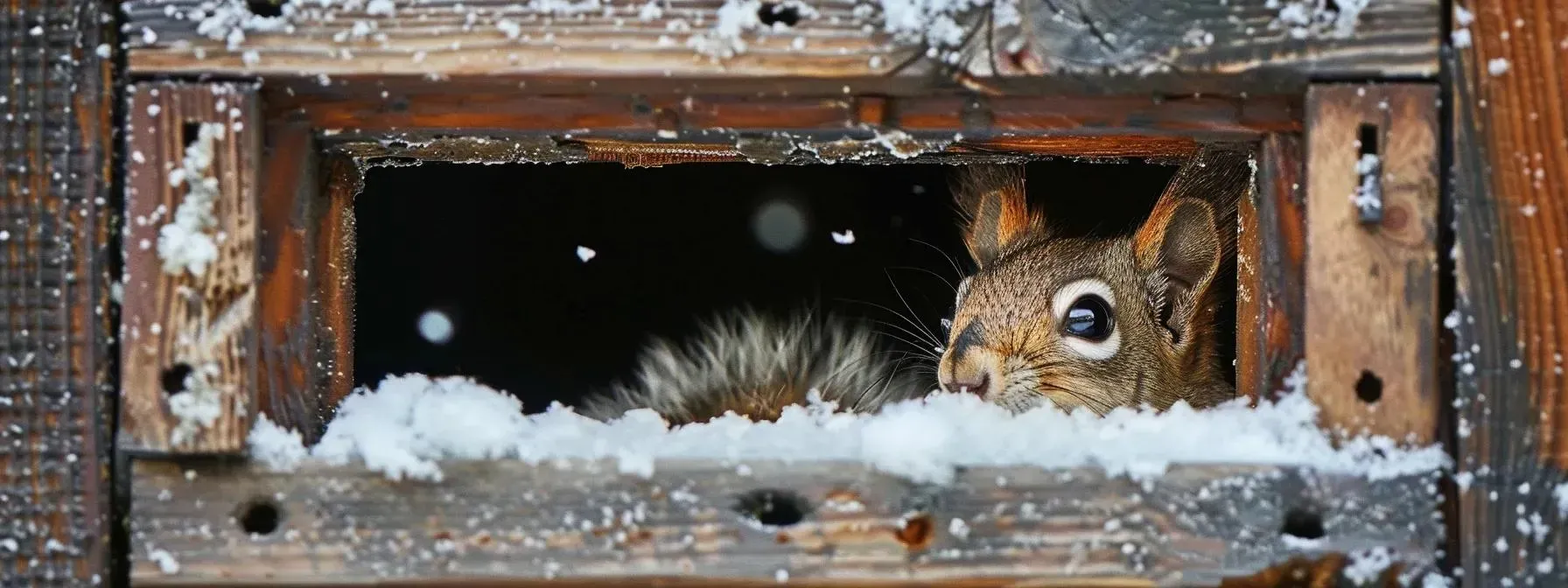
Gray squirrels are year-round residents in Forsyth County. They don't hibernate, which means they're actively seeking warm denning sites during every cold snap from October through March.
The electrical fire risk is real: Squirrels gnaw constantly to maintain their incisor length. In attic spaces, that means wiring insulation, PVC pipes, and HVAC ducting. Georgia fire marshal data consistently links attic rodent activity to structure fires. This is why squirrel calls should not be delayed.
Our removal process:
- Inspection to identify active entry points
- Live trapping with species-appropriate bait
- One-way exclusion device installation (allows remaining squirrels to exit)
- Permanent sealing of all entry and potential entry points
- Interior damage assessment
Snake Removal: Identification First, Every Time
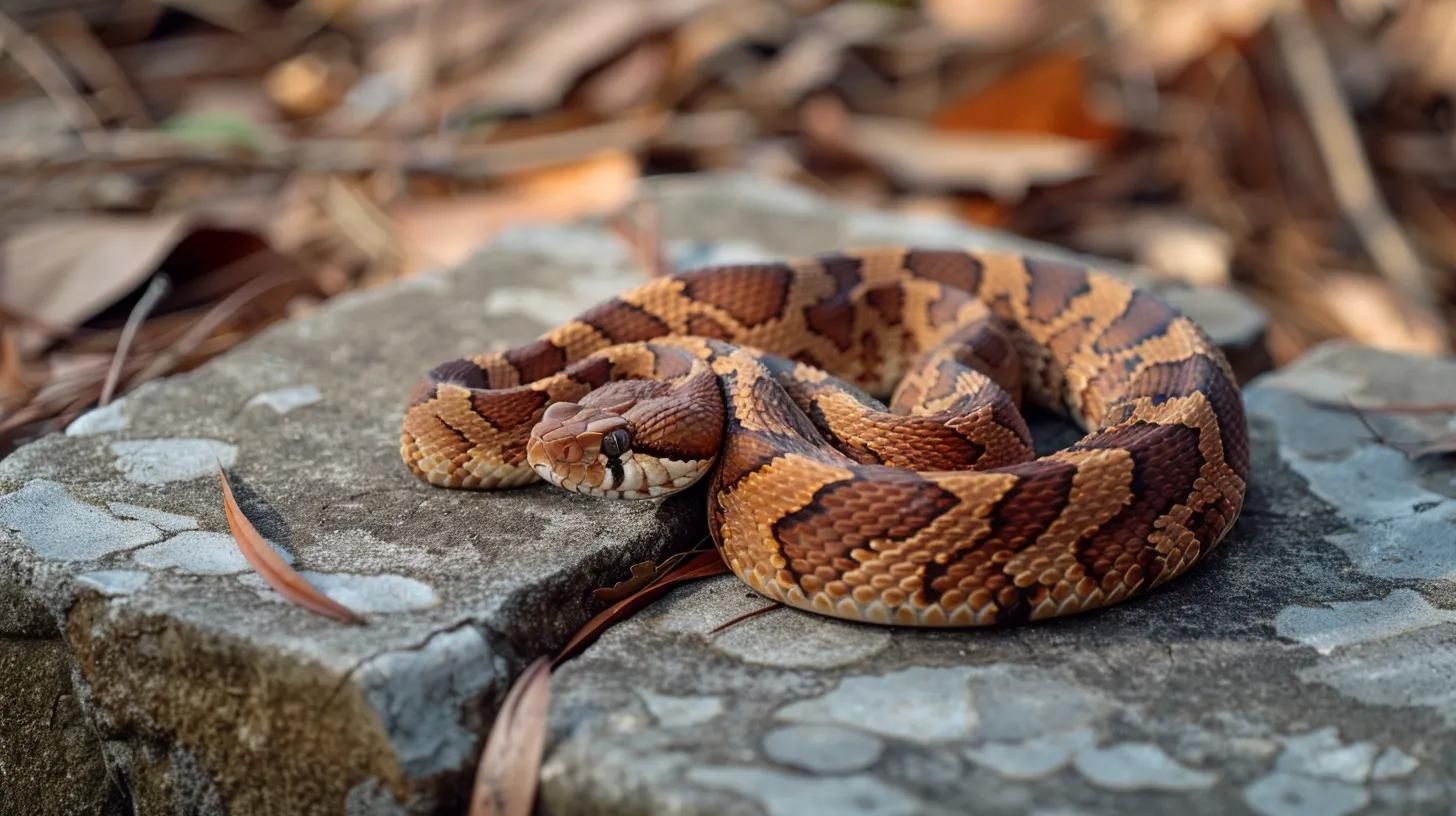
Georgia is home to six venomous snake species, such as the Eastern Diamondback Rattlesnake, Timber Rattlesnake, Eastern Copperhead, Cottonmouth (water moccasin), Eastern Coral Snake, and Pigmy Rattlesnake. Forsyth County has documented populations of copperheads and timber rattlesnakes.
The identification rule: Every snake encountered on your property should be treated as potentially venomous until a trained professional makes a positive ID. Do not attempt to handle, kill, or relocate any snake yourself.
What we provide:
- Safe removal of venomous and non-venomous species
- Species identification with documentation
- Habitat modification recommendations to reduce attractants
- Entry point sealing for crawl spaces and foundation gaps
Non-venomous snakes like black racers and rat snakes are protected under Georgia law — they must be removed humanely and relocated, not killed.
Skunk Removal: More Than an Odor Problem
Skunks are opportunistic burrowers. In Forsyth County, the most common call involves a skunk that's established a den under a deck, porch, or HVAC unit. The spray risk is real, but skunks are also a leading rabies vector in Georgia.
Signs of skunk activity:
- Sulfurous odor (even mild, intermittent odor indicates nearby denning)
- Small conical digging in lawns (skunk foraging for grubs)
- Tracks near deck or foundation perimeter
Our process:
- Identify active den location
- Live trapping with minimal disturbance (reduces spray risk)
- Humane removal and relocation per DNR regulations
- Den exclusion to prevent re-entry
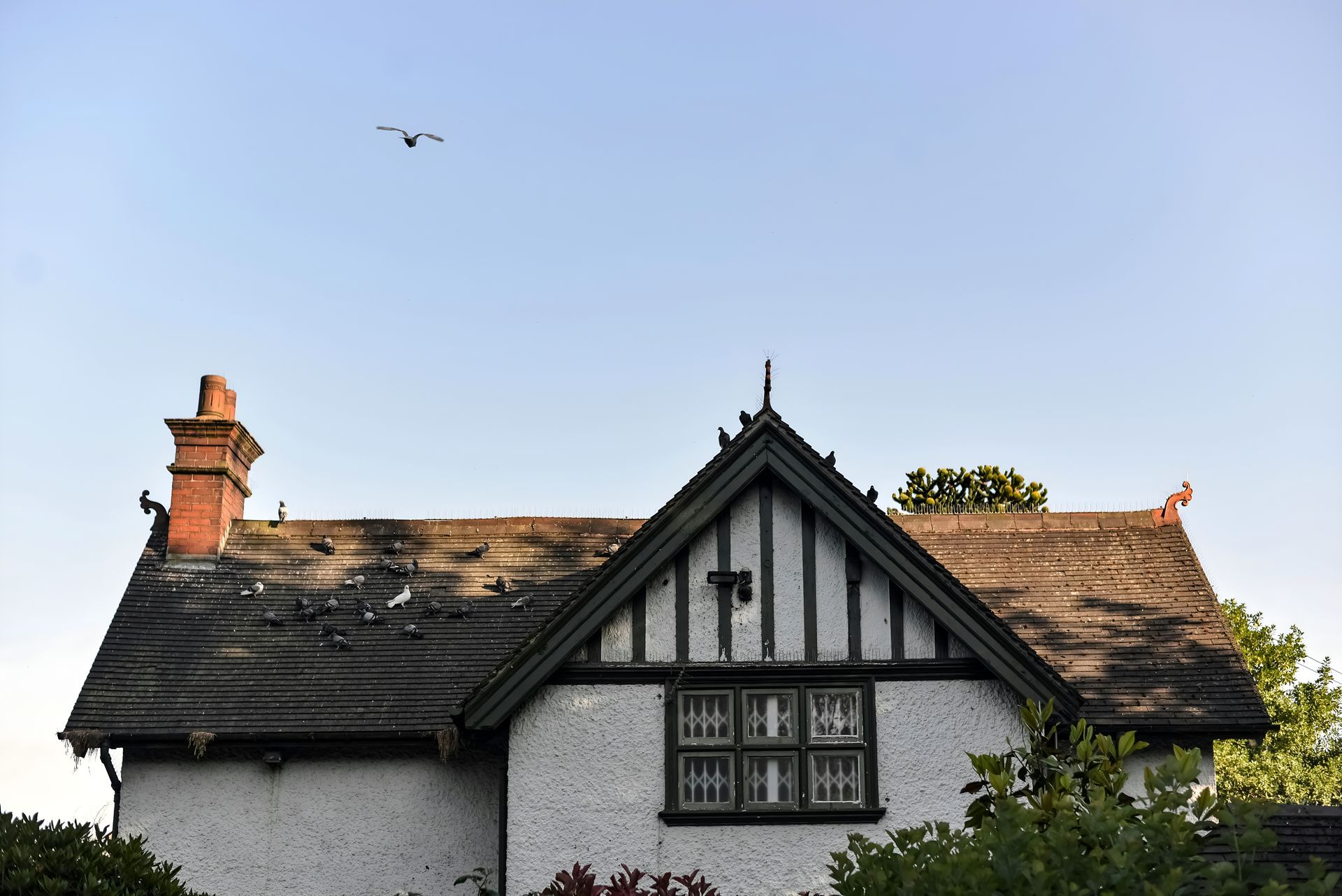
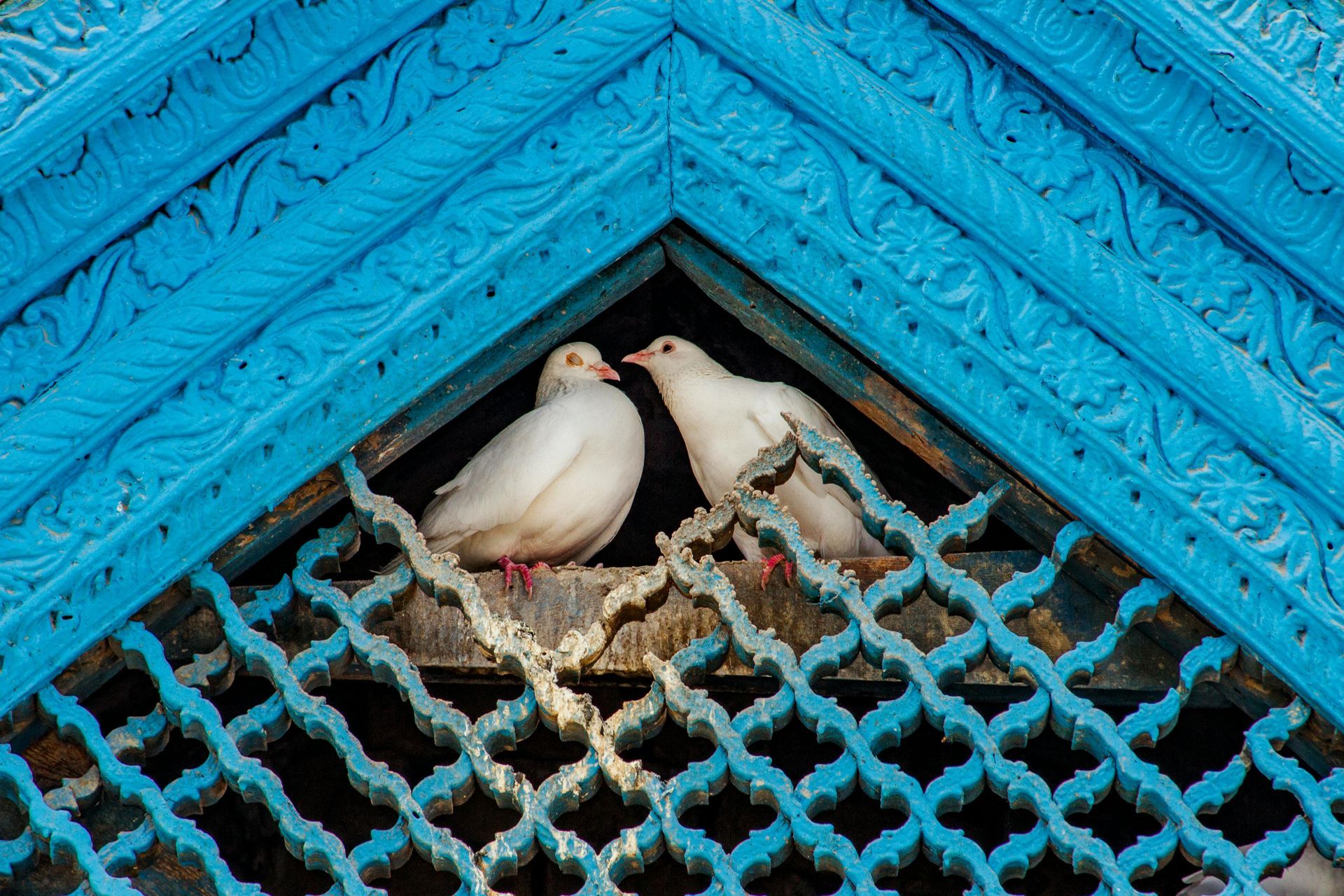
Bird Removal: Nesting Season Rules Apply
Bird removal is heavily regulated under the federal
Migratory Bird Treaty Act. Most common nuisance birds, like European starlings, house sparrows, and pigeons, are not protected and can be removed at any time. Native species require a federal depredation permit.
Common bird problems we handle:
- Dryer vent and bathroom exhaust vent nesting (fire risk, blockage)
- Chimney nesting (carbon monoxide hazard)
- Soffit and fascia nesting
- Commercial rooftop flocking
Our solution includes:
- Safe nest removal (confirmed empty or with appropriate permits)
- Vent guard installation — galvanized mesh covers that block re-entry
- Bird deterrent installation for repeat colonization areas
The Exclusion Step: Why It's Non-Negotiable
Removal without exclusion is a temporary fix. Any animal removed from a structure will be replaced by the same animal returning or by a different animal exploiting the same entry point.
What Exclusion Involves
Structural sealing:
- Ridge vents, gable vents, soffit joints, fascia gaps
- Utility penetrations (HVAC, plumbing, electrical conduits)
- Foundation cracks and crawl space vents
- Chimney caps and dryer vent covers
Materials we use:
- Heavy-gauge galvanized steel mesh (not hardware cloth — 1/4" welded wire)
- Concrete patching for foundation gaps
- Foam backer rod + sealant for utility penetrations
- Custom metal flashing for irregular gaps
Our
exclusion work is backed by a workmanship guarantee. If an animal re-enters through any point we sealed, we return and correct it at no additional charge. We stand behind the work.
Frequently Asked Questions
Is wildlife removal covered by homeowners insurance?
It depends on your policy. Most standard homeowners policies don't cover wildlife removal itself, but damage caused by the intrusion, such as attic insulation damage, chewed wiring, and structural repairs, may be covered under the dwelling protection portion of your policy. We provide detailed documentation of damage for insurance claims.
How long does the removal process take?
The timeline varies by species and infestation size. Raccoon removal typically resolves in 3–7 days. Bat exclusion requires a full exclusion monitoring period of 4–14 days depending on colony size and species. Squirrel jobs often resolve in 2–5 days. We give you a specific timeline estimate during the initial inspection.
Do you offer a warranty on exclusion work?
Yes. All exclusion work performed by Catch A Critter is backed by our workmanship guarantee. If animals re-enter through any sealed entry point, we return at no charge. Ask your technician for specific guarantee terms at the time of service.
What areas do you serve?
We serve all of Forsyth County and surrounding areas, including Cumming, Suwanee, Johns Creek, Alpharetta, Canton, Gainesville, Dawsonville, and Dahlonega. Not sure if we cover your area?
Ready to Solve the Problem for Good?
Wildlife problems don't resolve themselves. An animal inside a structure causes escalating damage every day it's there, and every day increases the probability that additional animals follow the same entry path.
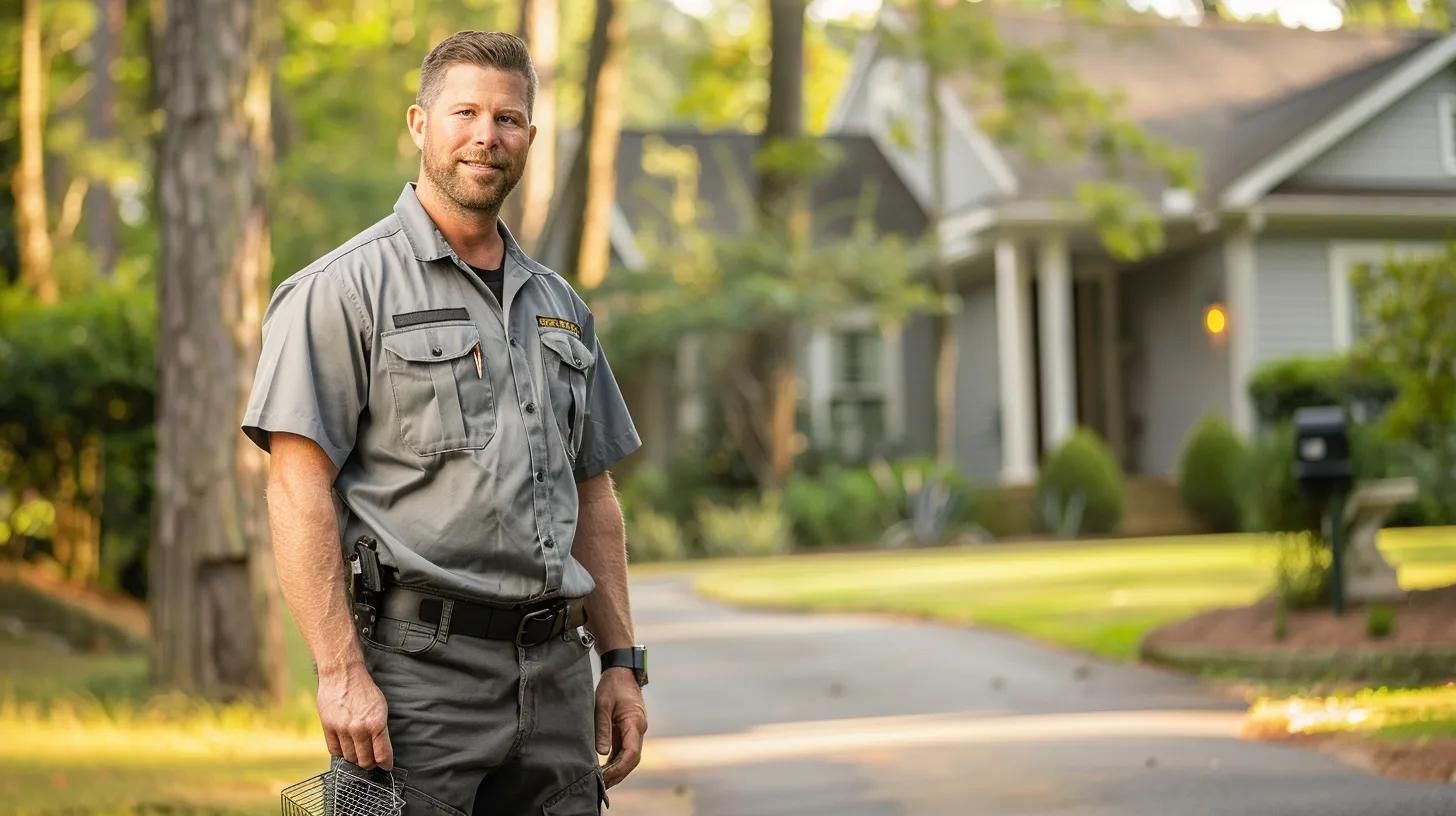
Catch A Critter provides same-day and emergency wildlife removal for Forsyth County residents and commercial properties. Our licensed and insured technicians respond fast, work clean, and back every exclusion with our workmanship guarantee.
If you have a wildlife problem in your home, don’t hesitate to call us at
770-637-4942.
Don't worry. We'll catch that critter.