

When to Call a Wildlife Pro: 10 Critical Situations
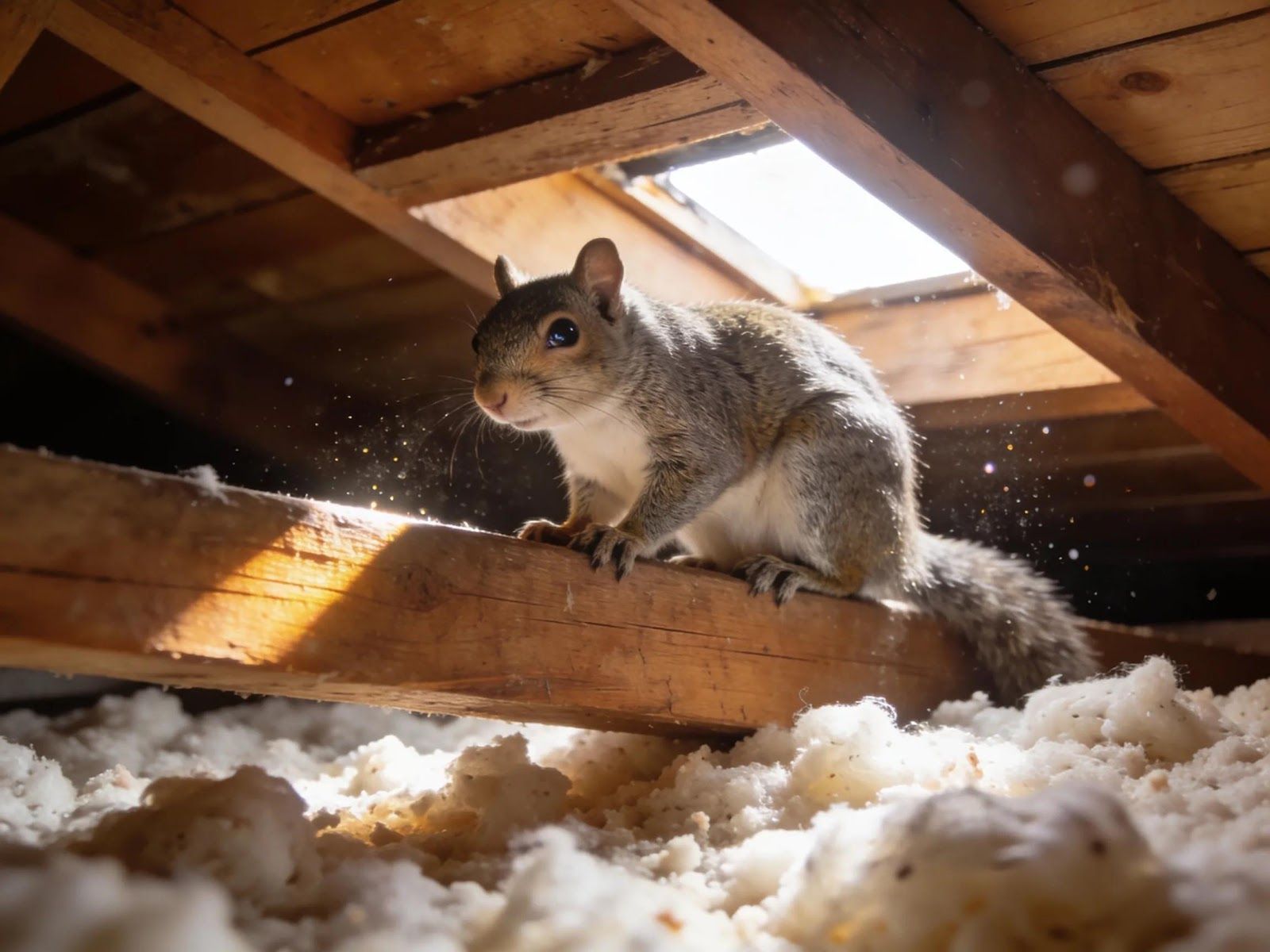
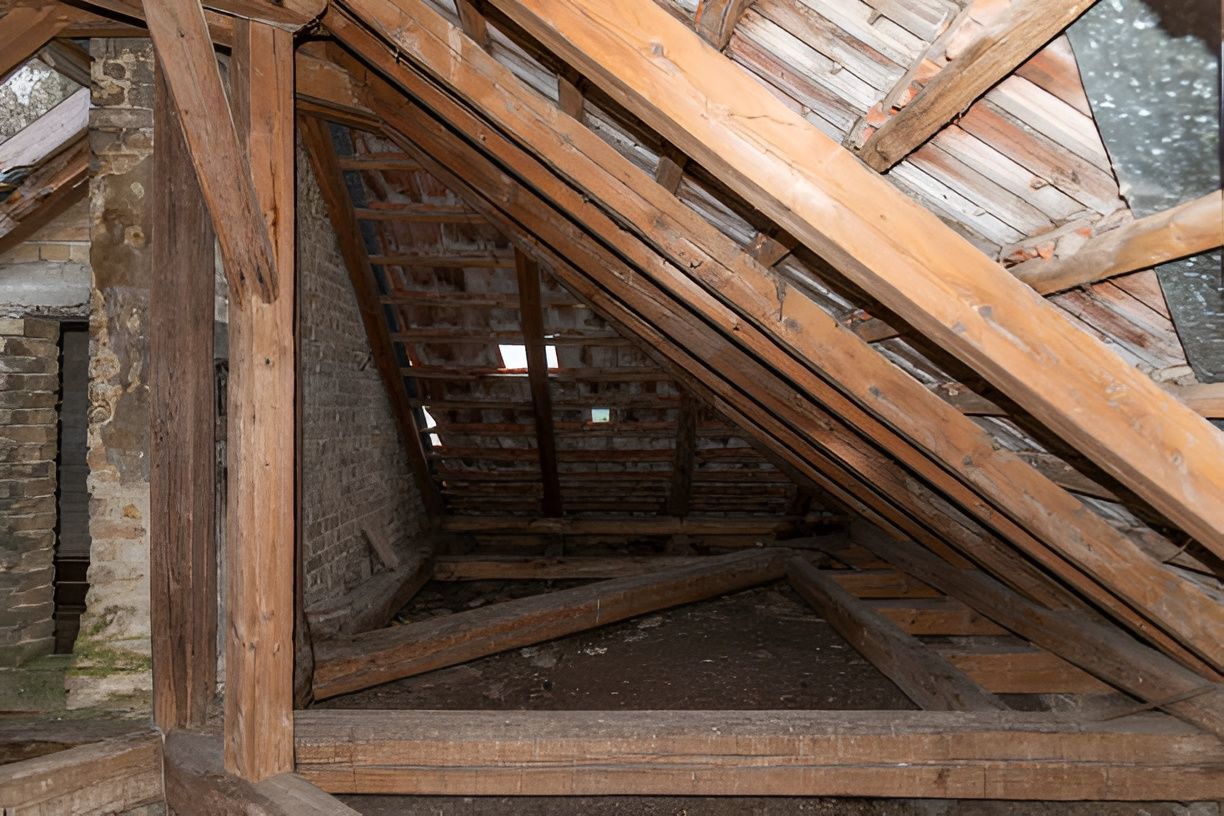
Knowing when to call a wildlife pro, especially for animal in attic removal, keeps your family and home safe.
Small signs are easy to miss. What starts as a nuisance can quickly become a health or safety issue.
Below, we walk through ten situations that warrant professional, humane attention. We'll cover how to spot them, the risks they bring, and how Catch A Critter can resolve them the right way in North Georgia.
TL;DR — When to Call a Wildlife Professional: 10 Critical Situations
- Scratching at night, droppings, odors, or chewed wires/vents are clear signs of wildlife inside
- Health risks like rabies, hantavirus, or leptospirosis and any aggressive or sick behavior need pros
- Call immediately for bats indoors, venomous snakes, raccoons in an attic, or any dead animal found
- Professionals use humane removal, entry sealing, and attic cleanup to stop damage and re-entry
- Catch A Critter serves North Georgia with fast, humane animal-in-attic removal and prevention
What Are the Clear Signs You Need Professional Wildlife Control?
The first step is spotting the telltale signs.
If you notice odd sounds, droppings, or chewed materials, it's time to act. These clues help us identify the species and stop damage before it gets worse.
How Do Unusual Noises Indicate Wildlife Infestation in Your Home?
Scratching, scurrying, or thumping in walls, attics, or crawl spaces usually means an animal has moved in.
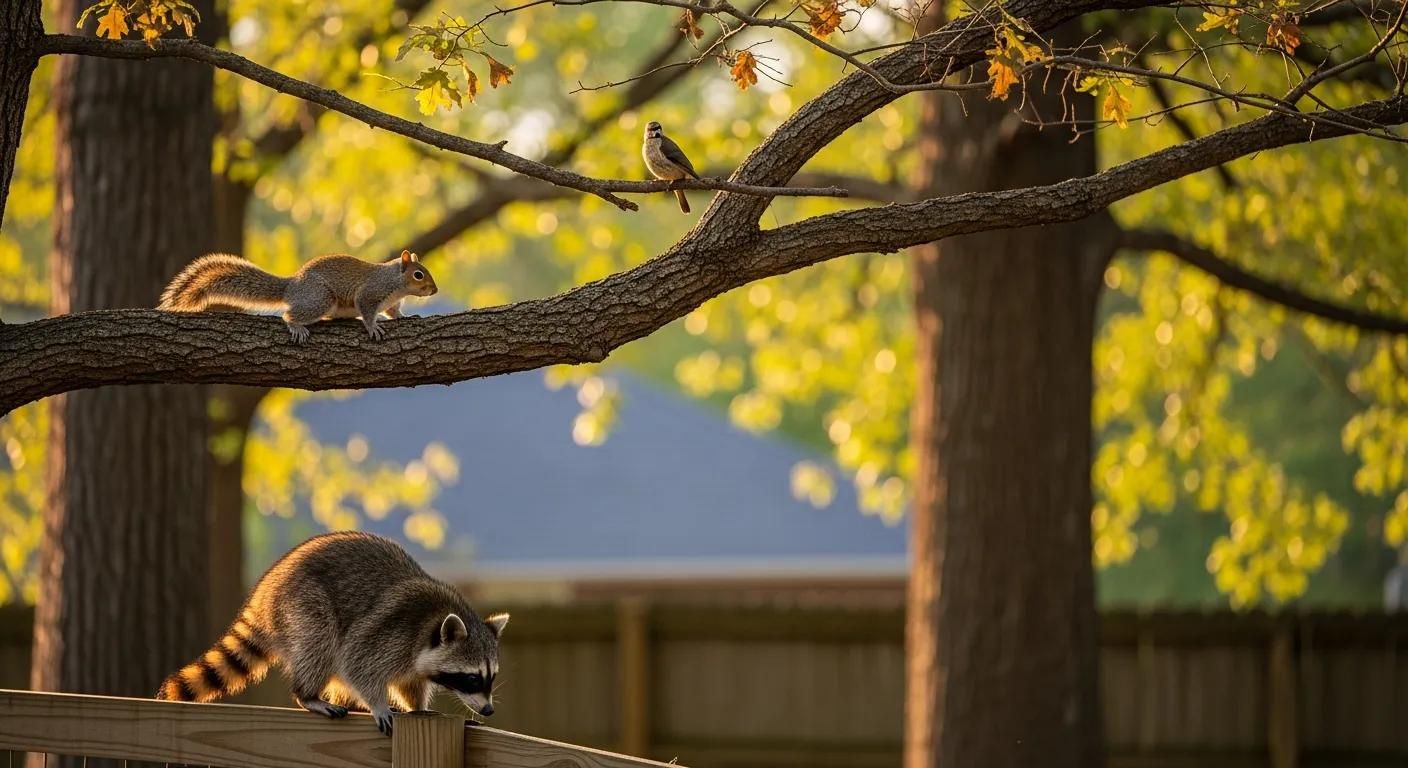
Raccoons, squirrels, and rats all make distinctive noises. Catching those early can prevent nesting and bigger repairs down the road.
What Visible Droppings and Odors Signal a Wildlife Problem?
Seeing droppings or smelling a foul odor are strong signals of wildlife presence.
Different animals leave different droppings; raccoon scat looks different from rodent pellets. Lingering smells can point to urine or a hidden, decaying animal.
These situations need professional cleanup to protect your health.
Which Health and Safety Risks Require Immediate Wildlife Professional Help?
Wildlife-related risks can escalate quickly. Knowing which hazards require immediate attention helps keep your household and pets safe while preventing costly damage.
When Are Disease Transmission Risks from Wildlife a Serious Concern?
Wild animals can carry zoonotic diseases, such as rabies, hantavirus, and leptospirosis. These spread through bites, droppings, urine, or direct contact.
If you suspect wildlife in your home, call a trained professional. They can evaluate exposure risks and handle containment safely.
How Should You Respond to Aggressive or Sick Wildlife Encounters?
If an animal is staggering, acting aggressively, or seems sick, keep your distance. Keep others away, too.
Do not try to capture or move it. Contact a wildlife pro who can secure and remove the animal safely and advise on next steps.
What Are the 10 Critical Emergency Situations to Call a Wildlife Removal Expert?
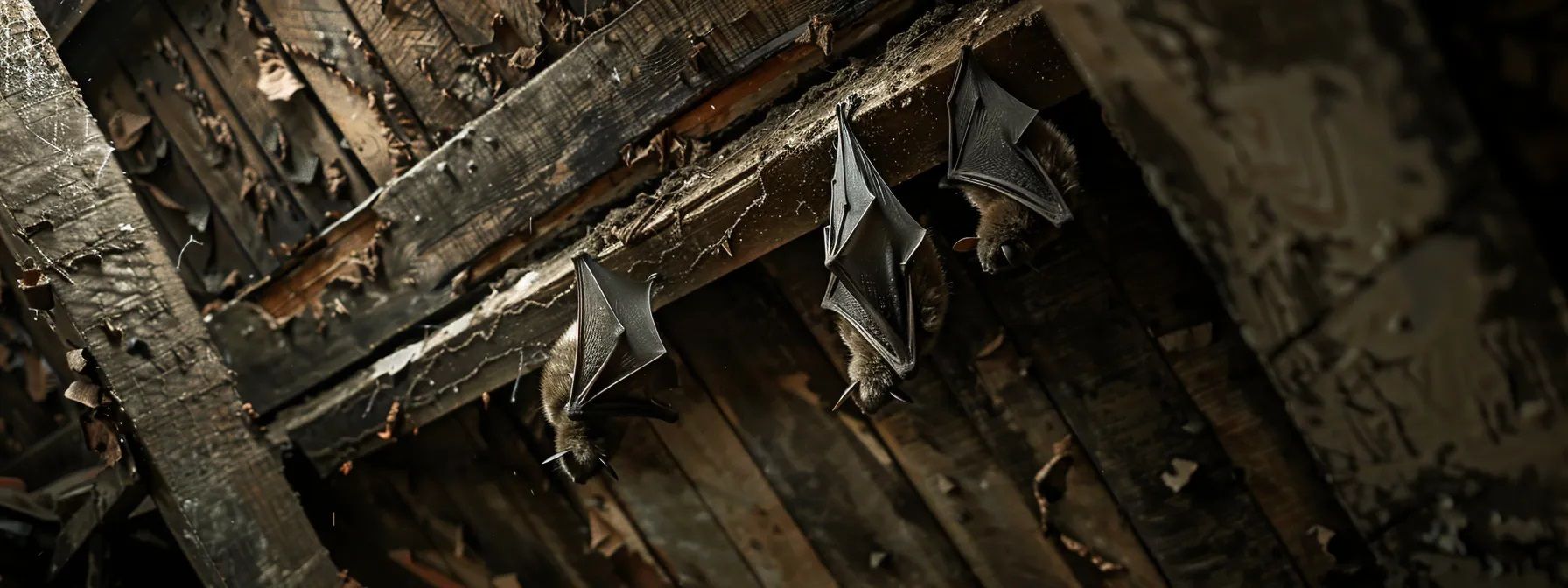
Some situations need immediate action to protect people and animals.
Below are ten scenarios where you should call a qualified wildlife removal expert right away.
- Bat in Your Living Space: Bats can carry rabies, making any potential human contact urgent. If you find a bat inside, especially near people or pets, call a wildlife removal expert immediately for safe removal and entry point inspection.
- Venomous Snake Sightings: Venomous snakes are dangerous to people and pets. Do not approach or try to remove the snake yourself. Call a trained professional who can safely relocate the snake and recommend ways to reduce future encounters.
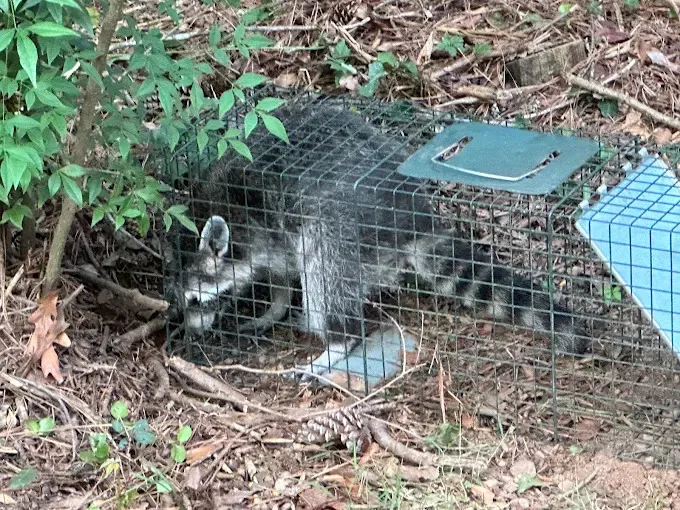
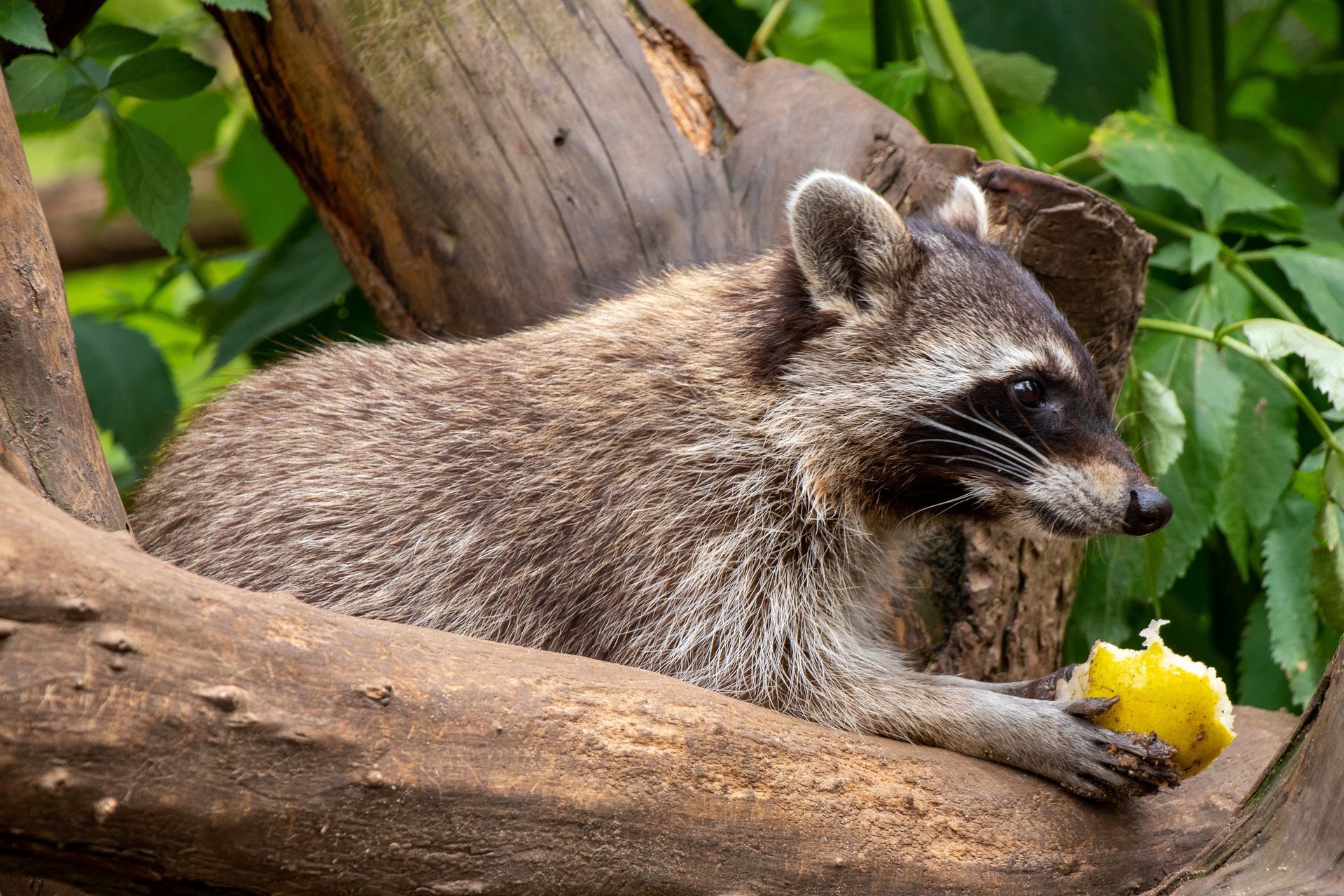
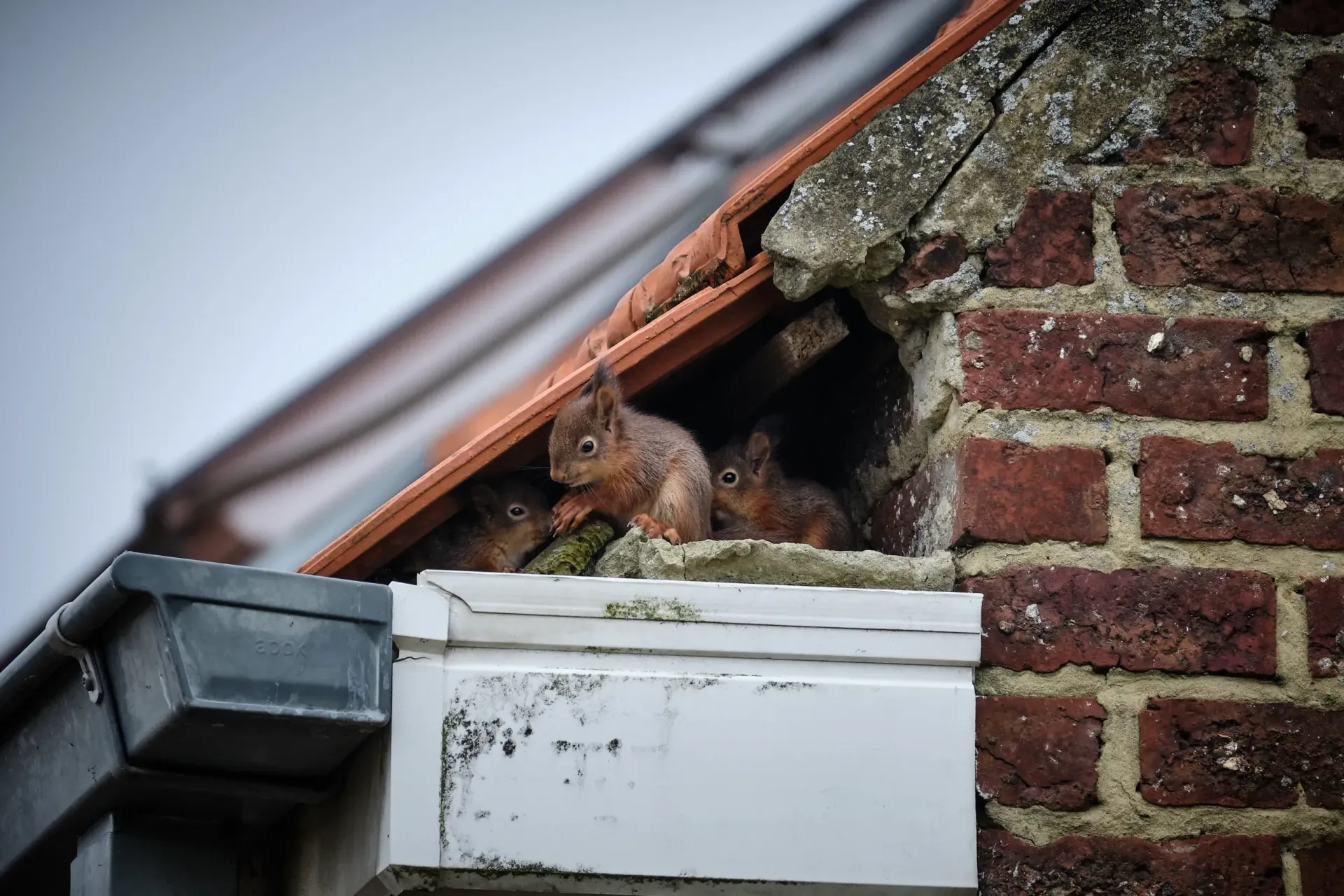
- Family of Raccoons in Your Attic: Raccoon families cause structural damage and can spread disease. If you’ve found a mother with young in your attic, contact a wildlife removal expert to handle the removal humanely and seal points of entry.
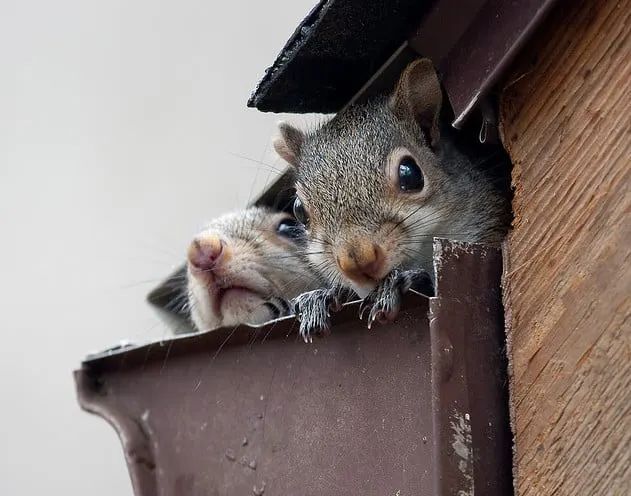
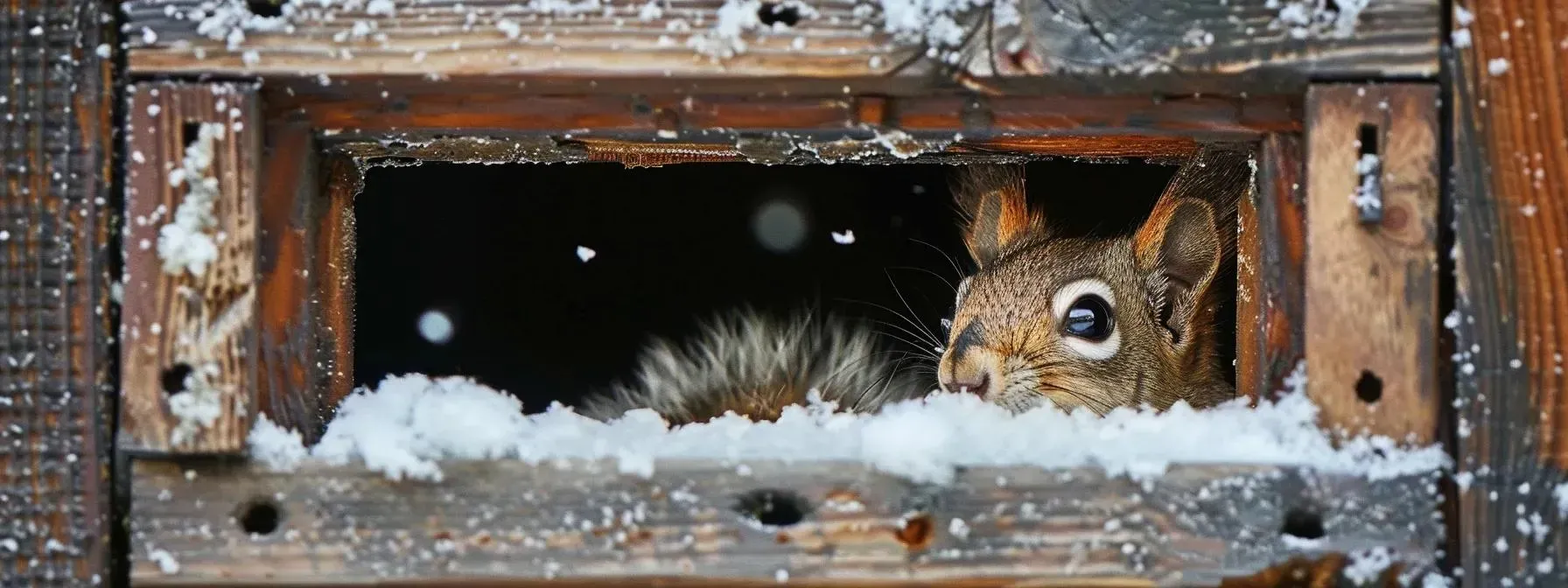
- Scratching Noises at Night: Nighttime scratching often means nocturnal animals are nesting or trying to enter. Addressing it quickly prevents nests, insulation damage, and bigger repairs.
- Dead Animals on Your Property: A dead animal can be a health hazard and attract other pests. Call professionals for safe removal, testing if needed, and sanitization to remove odors and contamination.
- Wildlife Behaving Abnormally: Animals that are disoriented, highly aggressive, or oddly tame may be sick or rabid. Keep your distance and contact a wildlife pro to assess and respond safely.
- Wildlife Damage to Your Property: Chewed wires, torn insulation, and damaged vents are signs of an active invasion. Bring in a wildlife expert to remove animals, repair damage, and secure your home against repeat entry.
- Increased Wildlife Activity Around Your Home: More frequent sightings or noises can mean an infestation is starting. Early professional intervention can stop the problem before it grows.
- Wildlife in Your Crawl Space: Crawl spaces are common entry and nesting spots. If you find animals under the house, call Forsyth County animal in attic removal experts to remove them safely and seal openings to prevent their return.
- Frequent Wildlife Encounters: Regular close encounters around your property suggest a larger issue. A wildlife removal expert can evaluate attractants, make exclusion repairs, and reduce future contact.
Catch A Critter handles these situations with humane, effective methods. Our solutions are tailored to North Georgia homes and wildlife.
We focus on safe removal, cleanup, and long-term prevention. This helps you get back to normal quickly and responsibly.
How Does Catch A Critter Provide Humane Wildlife Removal and Prevention Solutions?
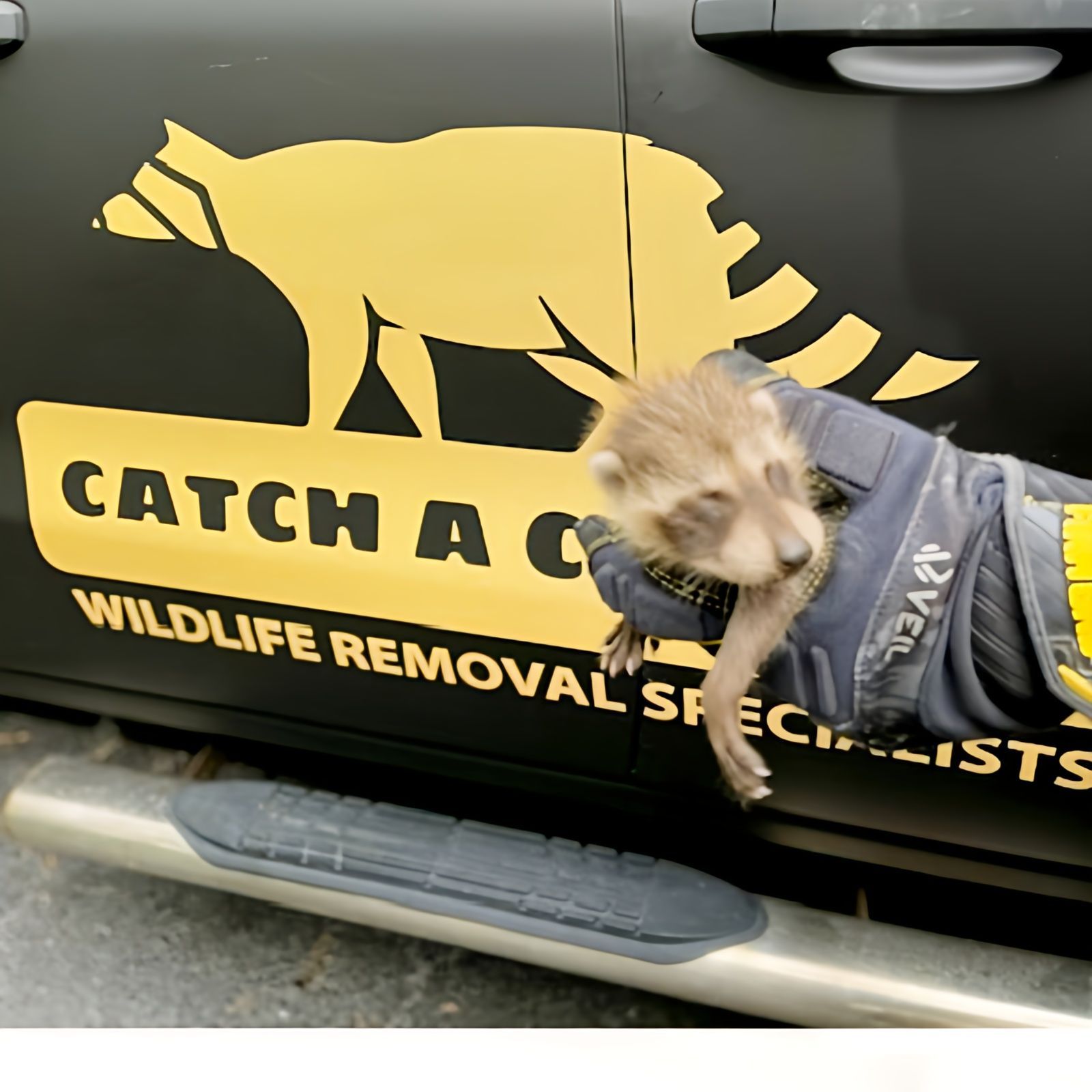
Our team uses proven, humane practices to remove and prevent wildlife problems across North Georgia.
We balance safety for people and animals while protecting your property and health.
What Are the Humane Removal and Exclusion Techniques Used?
We rely on humane tools like live trapping, targeted exclusion work, and relocation where appropriate.
After removal, we seal entry points and install barriers. This ensures animals can’t come back. These are practical solutions that respect wildlife and your home.
How Does Attic Restoration and Long-Term Prevention Protect Your Property?
Attic cleanup and restoration are key to preventing repeat problems.
We remove contaminated insulation and droppings, sanitize affected areas, and restore insulation. This keeps your home safe and energy efficient.
Our long-term prevention plans address root causes. You're less likely to see wildlife return.
| Situation | Recommended Action | Importance |
|---|---|---|
| Bat in living space | Contact wildlife professional | High risk of rabies |
| Venomous snake sighting | Do not approach; call for help | Safety concern |
| Raccoons in attic | Immediate removal needed | Prevent property damage |
| Dead animal on property | Contact for safe removal | Health risk |
| Abnormal wildlife behavior | Observe from a distance; call | Potential disease transmission |
Conclusion
In short, recognizing wildlife signs and acting quickly protects your home and family.
If you face any of the situations above, reach out to Catch A Critter. We’ll assess the risk, provide a detailed quote, remove animals humanely, and help prevent future problems.