

Squirrel removal guide: Hidden hazards of attic squirrels in Forsyth County homes
When squirrels move into your attic, chewed wires and crushed insulation put your family's safety and monthly energy bills at risk. Learn how to spot early roofline entries, protect your home's air quality, and choose a safe, humane approach to squirrel removal that permanently secures your property without harming native wildlife.
TL;DR: Key takeaways
- Squirrel teeth grow constantly: Grey and flying squirrels chew continuously to file down their incisors, stripping plastic insulation off 120-volt wiring and creating serious fire hazards.
- Compressed insulation drives up utility bills: Rodent tunneling crushes loose fiberglass and cellulose, cutting thermal R-values in half and spiking heating and cooling costs.
- Trapping alone leaves entry holes open: Catching a squirrel without sealing roofline gaps invites new animals within days, often stranding nursing babies inside wall cavities.
- Permanent defense requires full exclusion: Long-term protection requires Catch A Critter's 4-Stage Architectural Exclusion Protocol, combining heavy-duty steel mesh barriers, sealed builder's gaps, and complete attic cleanouts and restoration.
Hearing noises in your attic?
Get a free roofline inspection and upfront estimateWhy squirrels target North Georgia attics in late summer and fall
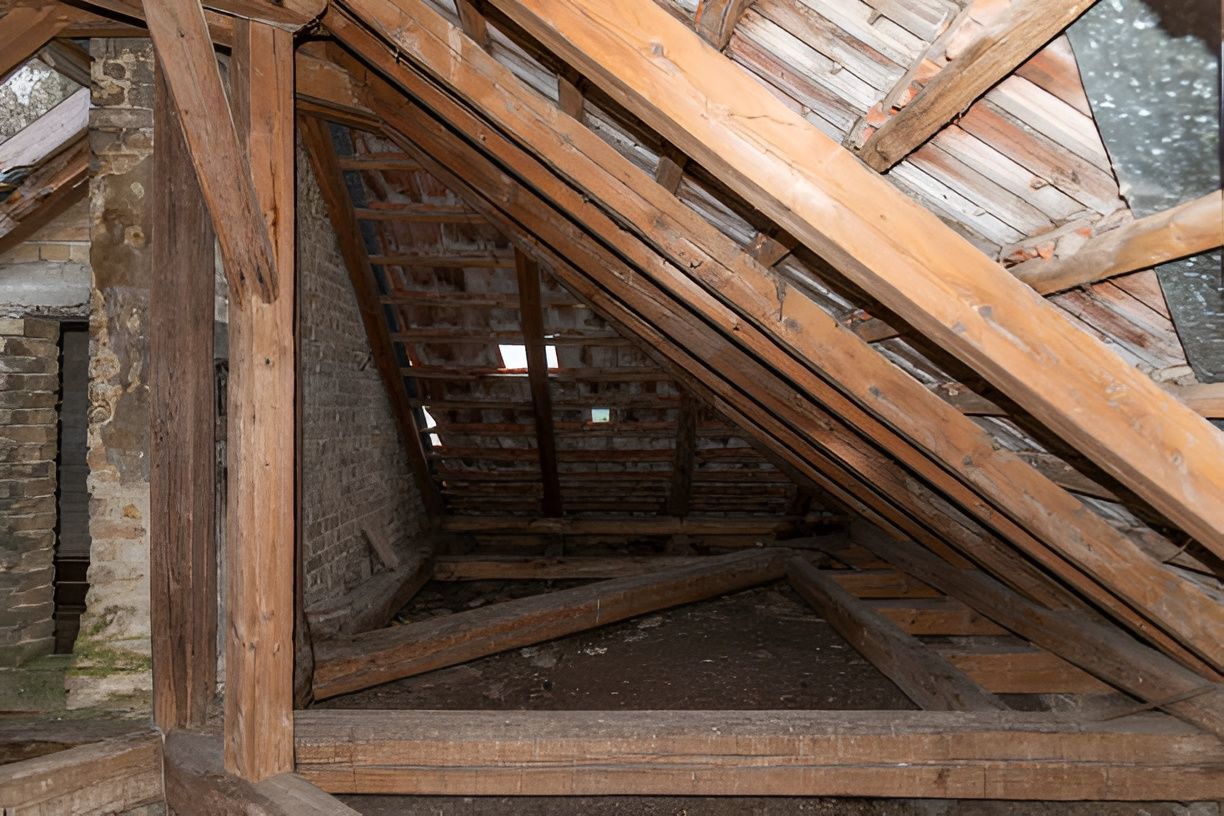
Squirrels target North Georgia attics during seasonal breeding periods because attics provide warm, predator-free shelter with soft nesting material. As outdoor temperatures cool in late summer and autumn, mother squirrels and family colonies look for safe shelter near local oak and pine trees.
Suburban neighborhoods across Cumming, Alpharetta, and Suwanee have mature tree canopies right next to residential rooflines. In Forsyth County, two species cause nearly all attic intrusions:
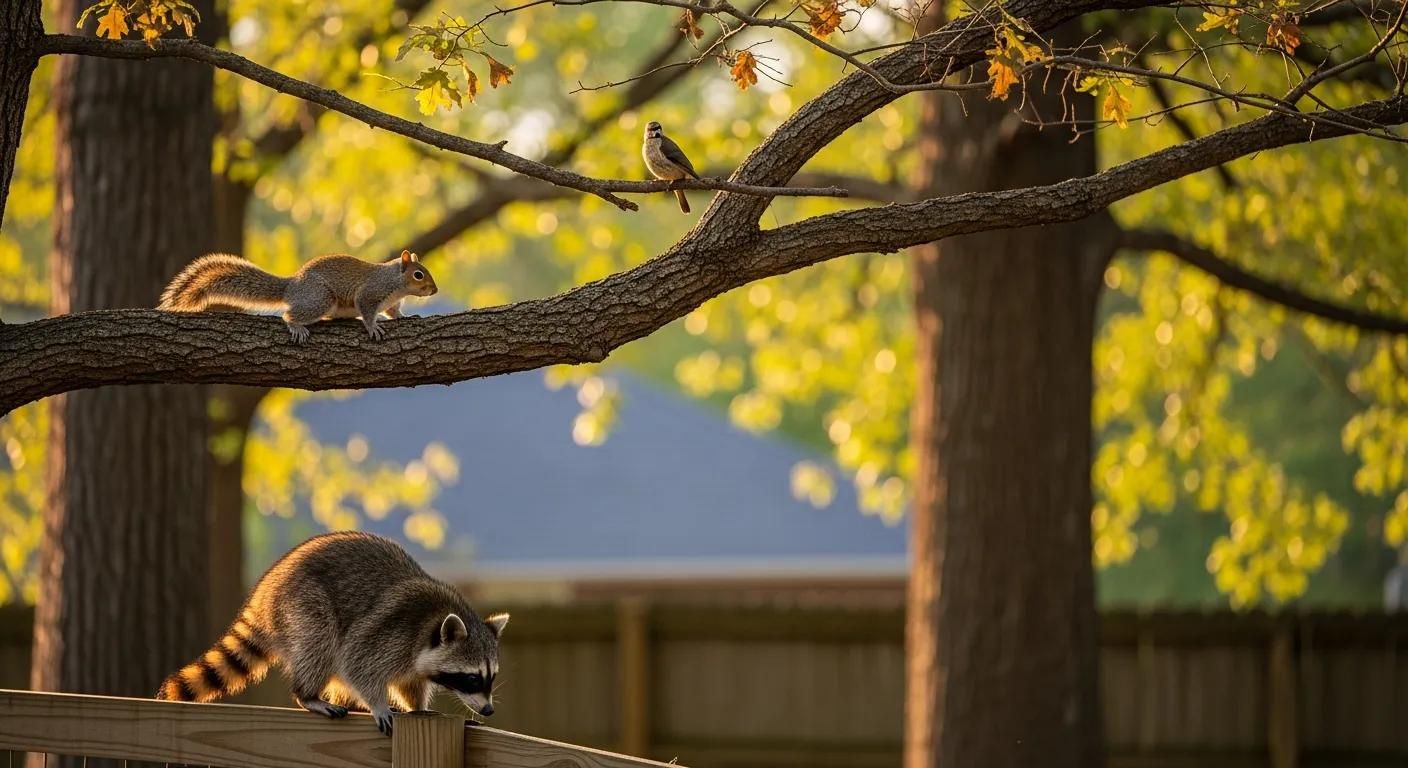
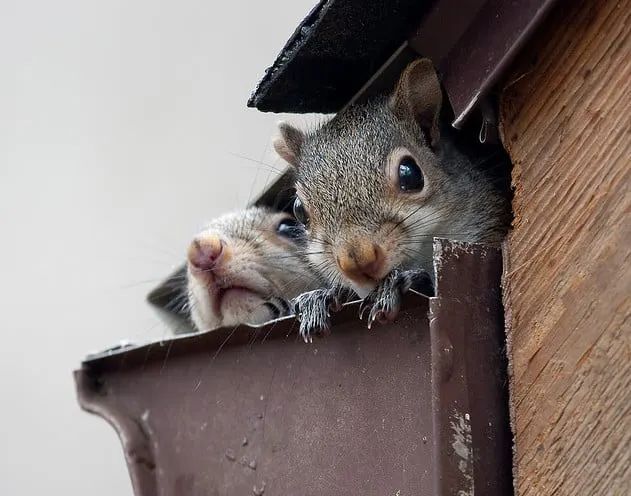
- Eastern grey squirrels: Active strictly during daylight hours, leaving their nests at dawn and returning before dusk. They raise two litters each year: once in late winter and again between August and September.
- Southern flying squirrels: Strictly nocturnal rodents that live in colonies. A single Forsyth County home can harbor 10 to 20 flying squirrels at once, creating communal waste spots and runways across your insulation.
As noted in wildlife studies by the University of Georgia Extension on tree squirrel biology, squirrels readily enter rooflines when natural tree cavities in local woods fill up. Once a mother squirrel sets up an attic nest, her strong maternal instinct drives her to chew through shingles, vinyl trim, and wood to get back inside.
The hidden fire hazard: gnawed electrical wiring
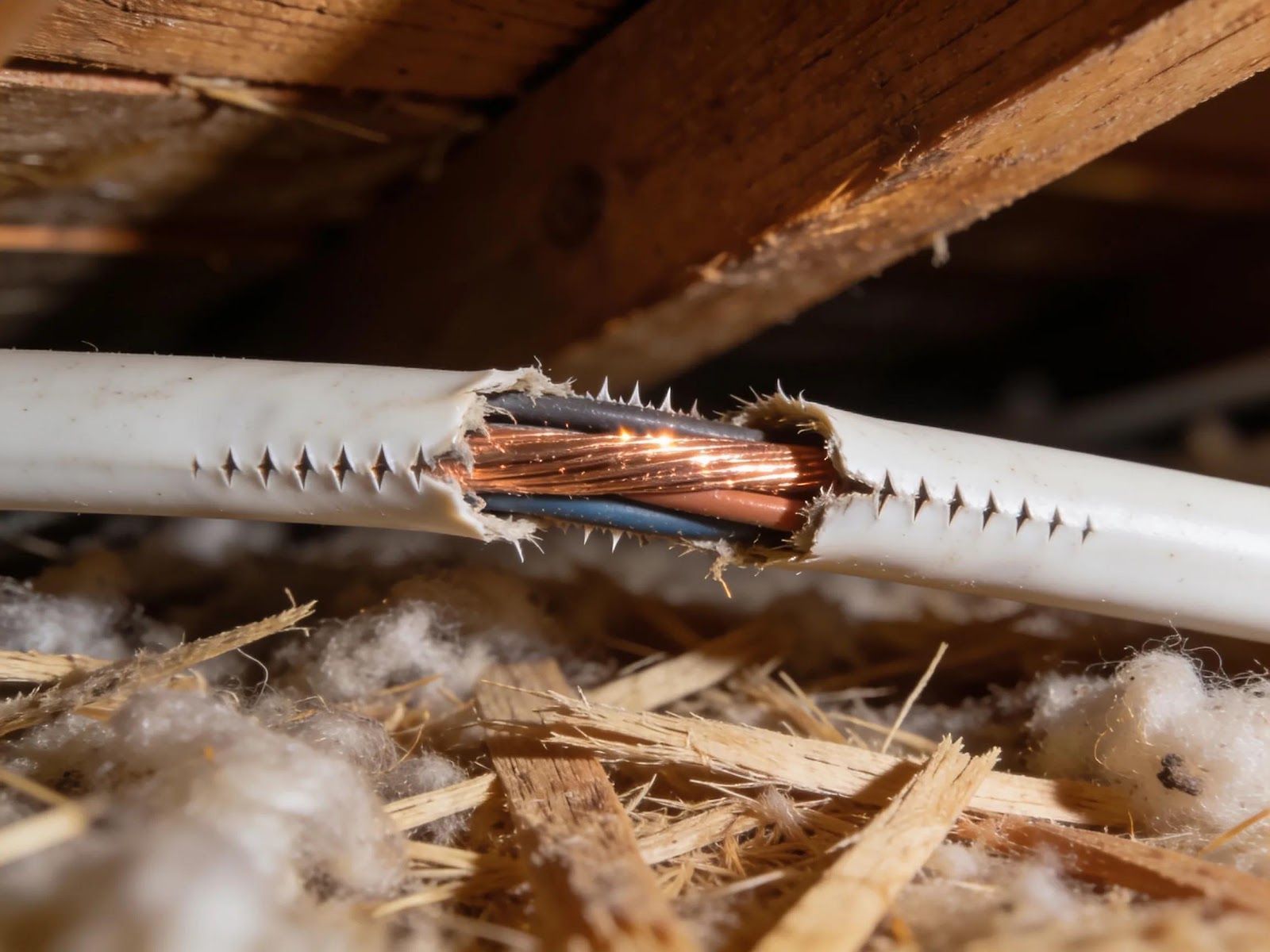
Squirrels create severe electrical fire hazards by stripping the protective plastic jacket off residential Romex wiring, exposing live copper conductors to dry attic framing and insulation. Because squirrel teeth never stop growing, these animals must chew on hard surfaces daily to keep them filed down.
Squirrels have front teeth that grow 4 to 6 inches every year. To keep them ground down and comfortable, they chew on hard surfaces, including structural framing and electrical lines above your ceiling.
In North Georgia attics, non-metallic sheathed cable (Romex) runs along joists and rafters. Squirrels easily slice through the outer plastic jacket, exposing energized copper wire.
When bare copper contacts wooden framing or paper-faced insulation, electrical arcing can generate instantaneous heat exceeding 1,000°F, igniting surrounding materials without tripping standard circuit breakers.
Catch A Critter field observations: electrical hazards in local attics
During routine wildlife inspections across Forsyth County homes, our technicians consistently observe:
- Chewed outer plastic sheathing on primary 120-volt branch wiring in established attic infestations.
- Exposed copper wire resting directly against combustible blown-in cellulose or fiberglass insulation.
- Homeowners notice tripped circuit breakers, flickering ceiling lights, or faint burning smells before calling for an inspection.
Contaminated insulation and indoor air quality hazards
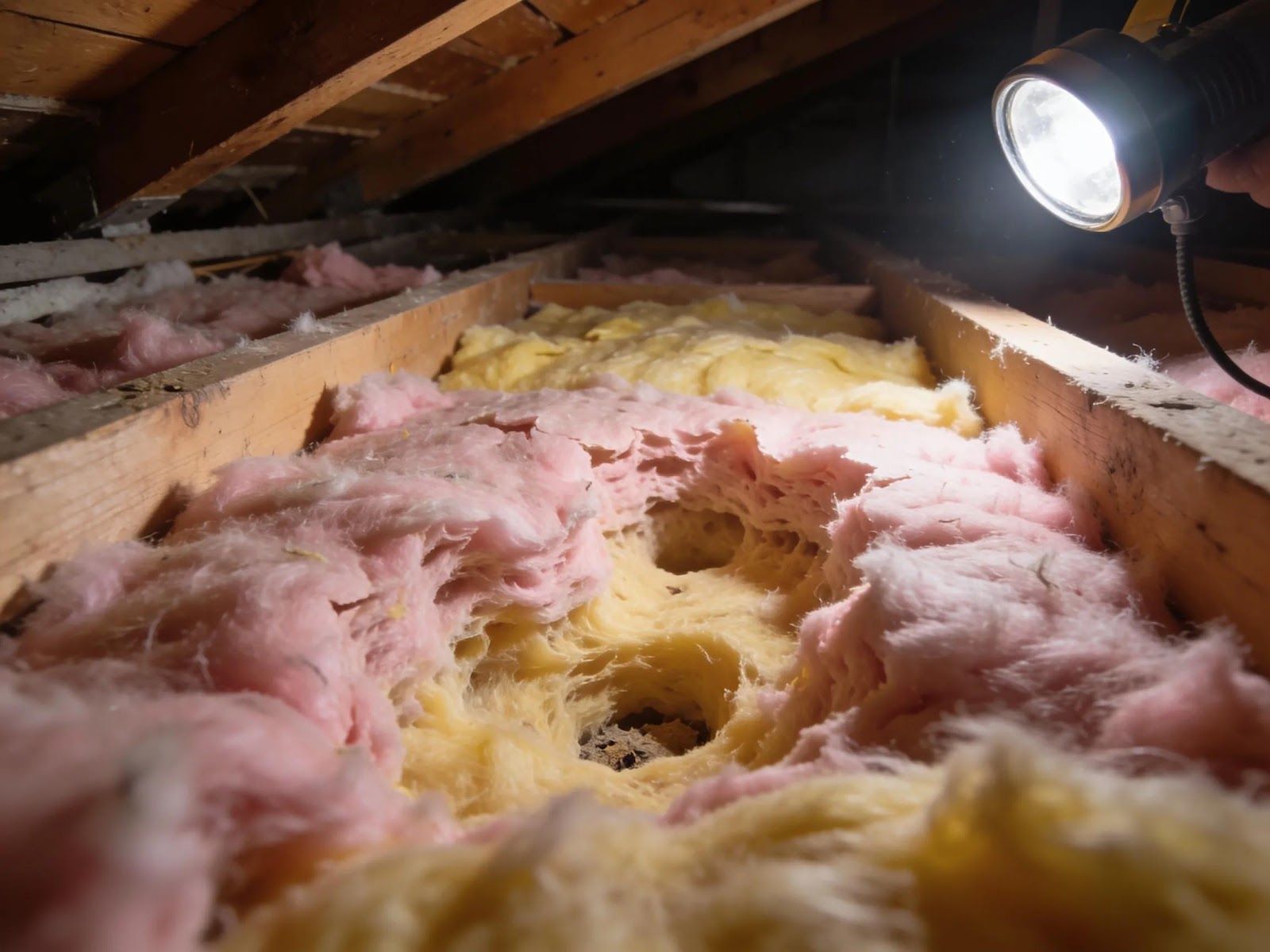
Squirrel infestations ruin attic insulation through physical compaction and create health hazards through accumulated droppings, urine, and migrating parasites. Damaged insulation raises monthly heating and cooling bills while releasing allergens into your living space.
1. Crushed insulation and higher energy bills
Blown fiberglass and cellulose insulation work by trapping air inside loose, fluffy fibers. When squirrels burrow through attic bays to build nests, they trample and compact this material.
This compaction collapses the insulating air pockets, reducing the installed thermal resistance (R-value) by up to 50%. In North Georgia attics, where summer roof temperatures easily top 130°F, crushed insulation lets heat radiate straight through ceiling drywall, forcing your air conditioner to run nonstop.
2. Urine saturation, odor, and pheromone trails
Both grey and flying squirrels set up communal latrines in attic corners. Over time, concentrated urine soaks through insulation and penetrates ceiling drywall, causing brown water stains, drywall damage, and strong ammonia odors inside your home.
Squirrel waste also leaves behind powerful territorial scent marks. These pheromones signal to other squirrels in nearby trees that your attic is an open nesting territory, attracting new invaders even after previous animals leave.
3. Parasites and indoor air quality
Wild squirrels carry parasites, including squirrel fleas, mites, and ticks. When wildlife nests above your ceiling, these pests can migrate through recessed lighting, HVAC vents, and attic access doors into bedrooms.
Cleaning up animal waste without proper containment can irritate your lungs and spread airborne bacteria. Federal Centers for Disease Control and Prevention (CDC) and Occupational Safety and Health Administration
(OSHA) safety guidelines require HEPA-filtered vacuums, antimicrobial treatments, and proper protective gear for safe attic cleanouts and decontamination.
How squirrels breach North Georgia rooflines
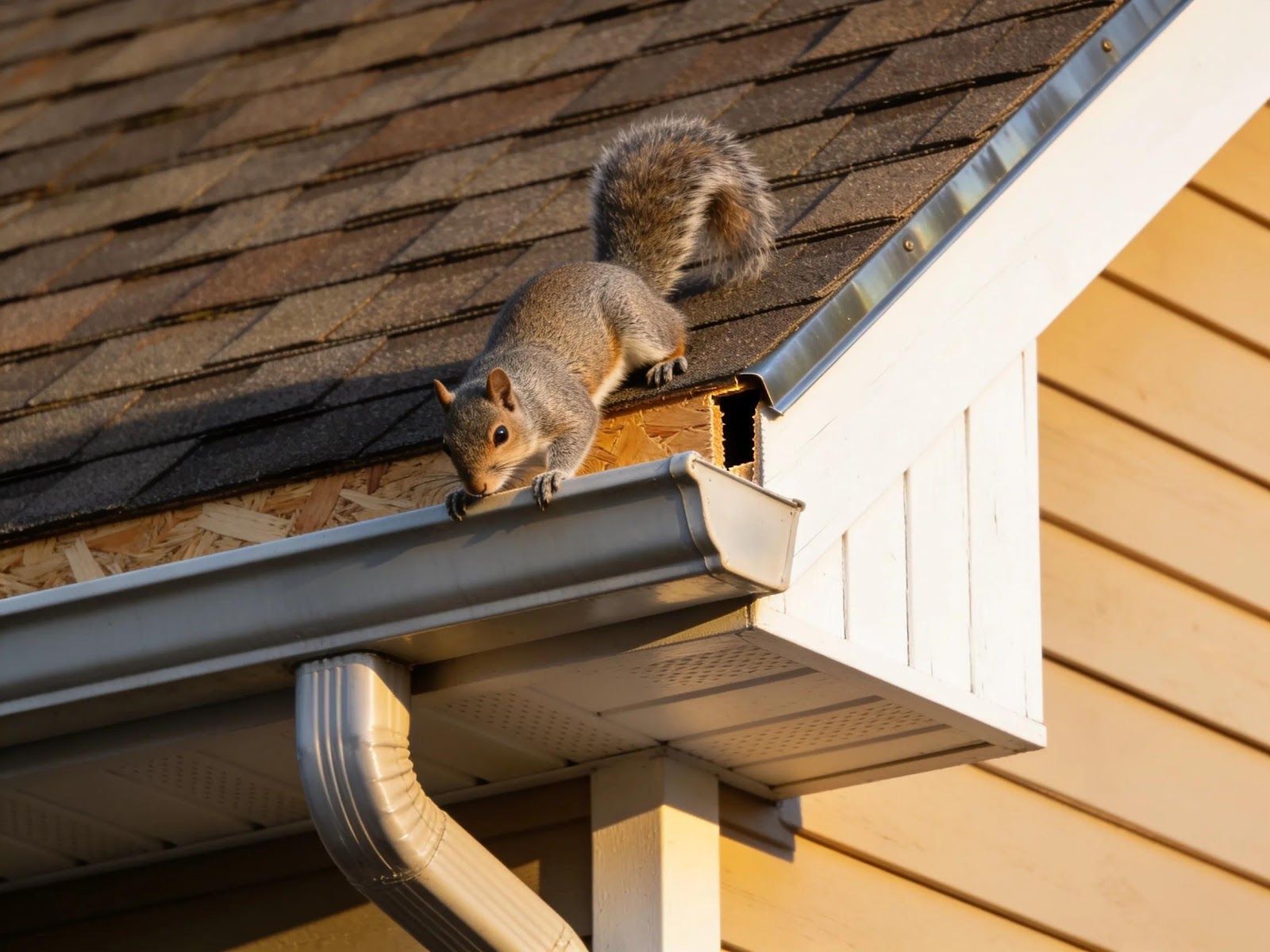
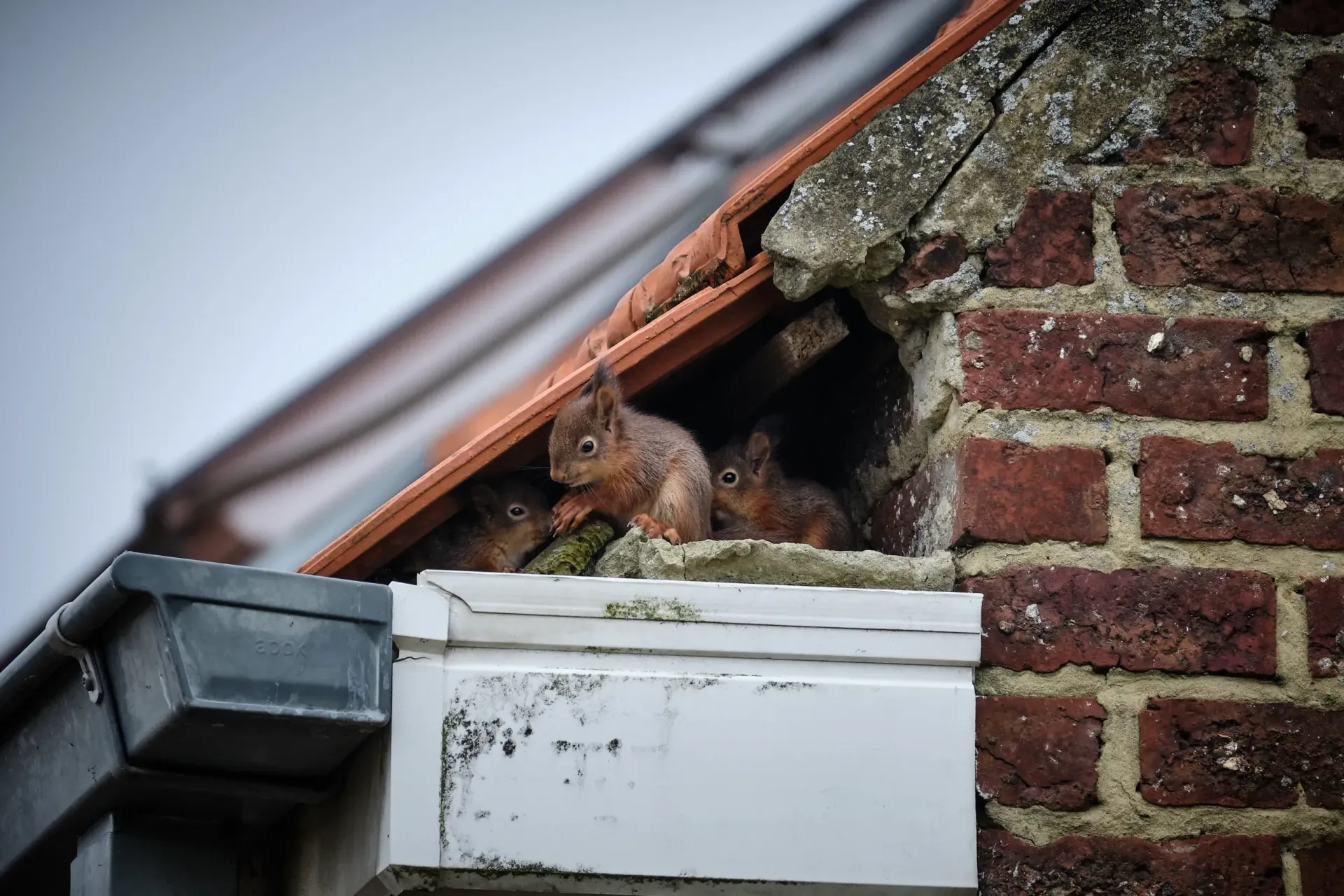
Squirrels enter homes by exploiting architectural construction gaps, chewing through plastic ridge vent caps, and expanding fascia seams along gutter lines. Modern roof designs often feature subtle builder gaps that rodents easily widen into open entry points.
Because an adult grey squirrel needs an opening only 2 inches wide (about the size of a baseball), even minor roofline gaps provide an easy starting point. Once a squirrel's teeth find unpainted wood or soft trim, it can chew an entry hole open in less than an hour.
Diagnostic comparison: identifying attic invaders
Homeowners can identify attic invaders by noting what time of day noises occur and whether the sounds consist of fast daytime scurrying or nighttime movement. Diurnal scratching indicates eastern grey squirrels, while late-night sounds point to flying squirrels or larger nocturnal animals.
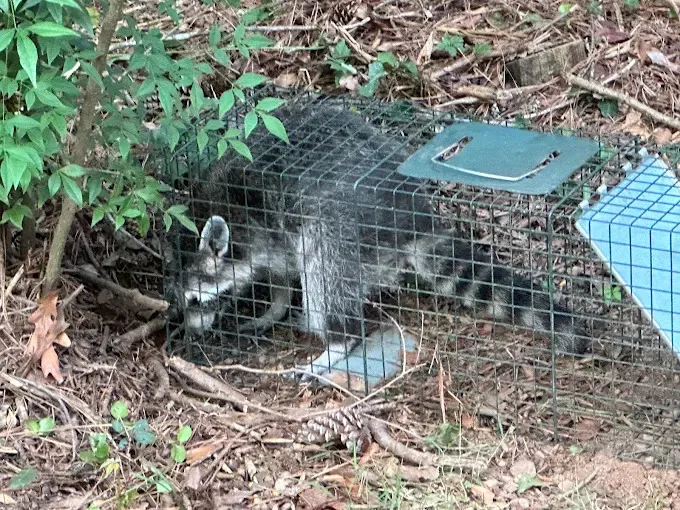
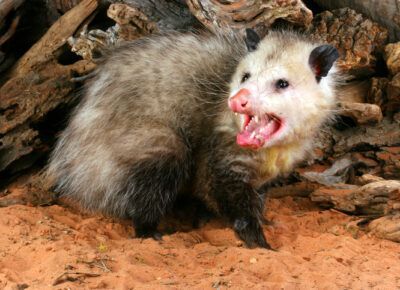
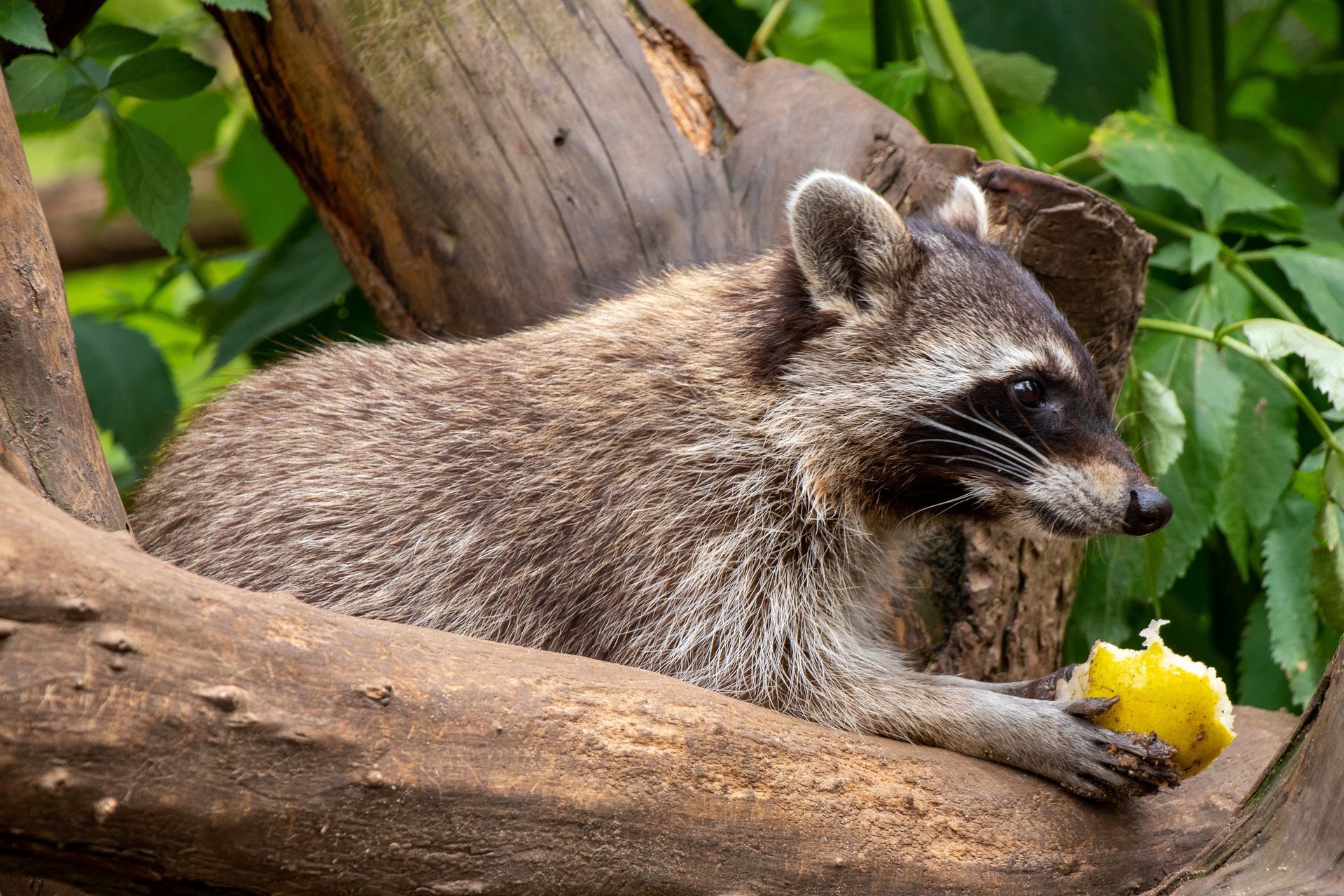
Heard heavy thumping between midnight and 5:00 AM? You might have a raccoon or larger nocturnal visitor, which requires specialized handling.
If sounds occur consistently around 7:00 AM and 5:00 PM, you are dealing with eastern grey squirrels. If the noises start late at night with rapid movement across multiple ceiling bays, flying squirrels are the likely culprit.
Why cage trapping alone fails to solve squirrel infestations
Cage trapping alone fails to solve squirrel infestations because of the following:
- It leaves the entry hole wide open. Trapping one animal does nothing to seal your roof. With scent trails present, neighboring squirrels quickly discover and re-occupy the empty attic space.
- It risks trapping nursing litters in wall voids. In spring and late summer, captured female squirrels often nurse young. Relocating the mother leaves dependent kits to starve inside walls, leading to severe odor, insect swarms, and costly drywall repairs.
- It causes desperate mothers to damage exterior siding. If an entrance is sealed while baby squirrels are trapped inside, the mother will chew frantically through siding, fascia, and shingles to reach them, creating severe exterior damage.
Catch A Critter's 4-stage architectural exclusion protocol
Catch A Critter's 4-Stage Architectural Exclusion Protocol resolves squirrel infestations permanently by combining full structural sealing, one-way exit doors, and complete attic cleanouts and restoration. This proven methodology removes wildlife humanely without poisons or stressful cage trapping.
Stage 1: Full-structure diagnostic inspection
A certified Catch A Critter specialist inspects your foundation, roof valleys, ridge caps, and attic space. We locate every entry point, inspect wiring runs for exposed copper, check for nesting litters, and map all secondary roofline vulnerabilities.
Stage 2: Humane one-way exclusion door installation
We mount custom, spring-loaded one-way exclusion doors directly over active entry points. When squirrels leave the attic to forage for food and water during their daily routine, they push through the one-way door. When they return, the mechanical door prevents re-entry, humanely locking them out without handling or stress.
Stage 3: Heavy-gauge structural exclusion sealing
While the exclusion door is active, our team seals all secondary roofline vulnerabilities across your home. We use heavy-duty galvanized steel mesh, custom aluminum flashing, and fasteners that rodents cannot chew through. We secure builder's gaps, screen gable louvers, and reinforce plastic ridge vents.
Stage 4: Attic cleanout, decontamination, and insulation restoration
Once complete eviction is confirmed, our restoration team removes soiled insulation, extracts biological waste using HEPA-filtered equipment, and applies commercial antimicrobial treatments to eliminate pheromone scent trails. We then blow in fresh, high-efficiency insulation to restore your home's energy performance.
For lasting structural protection, explore our
humane exclusion and wildlife removal options in Forsyth County to safeguard your property and keep native animals in their natural woodland habitat.
Practical roofline defense tips for homeowners
Homeowners can reduce wildlife pressure around rooflines by trimming overhanging tree branches, cleaning gutters regularly, and moving bird feeders away from the foundation. While exclusion sealing is necessary to close active breaches, regular property maintenance deters new wildlife activity.
- Trim tree branches 8 to 10 feet back from your roof. Grey squirrels can leap up to 8 feet horizontally. Clearing branch overhangs cuts off their easiest jumping path to your shingles.
- Keep gutters clear of pine needles and wet leaves. Clogged gutters trap rainwater against fascia boards, rotting the wood and creating soft spots that rodents easily chew through.
- Move bird feeders away from the foundation. Spilled seeds and corn attract squirrels and rodents directly to your yard and roofline.
- Inspect plumbing vent boots each year. Check lead and rubber plumbing boots on the roof, as squirrels frequently gnaw rubber collars around vent pipes to gain attic access.
Protecting your Forsyth County home with confidence
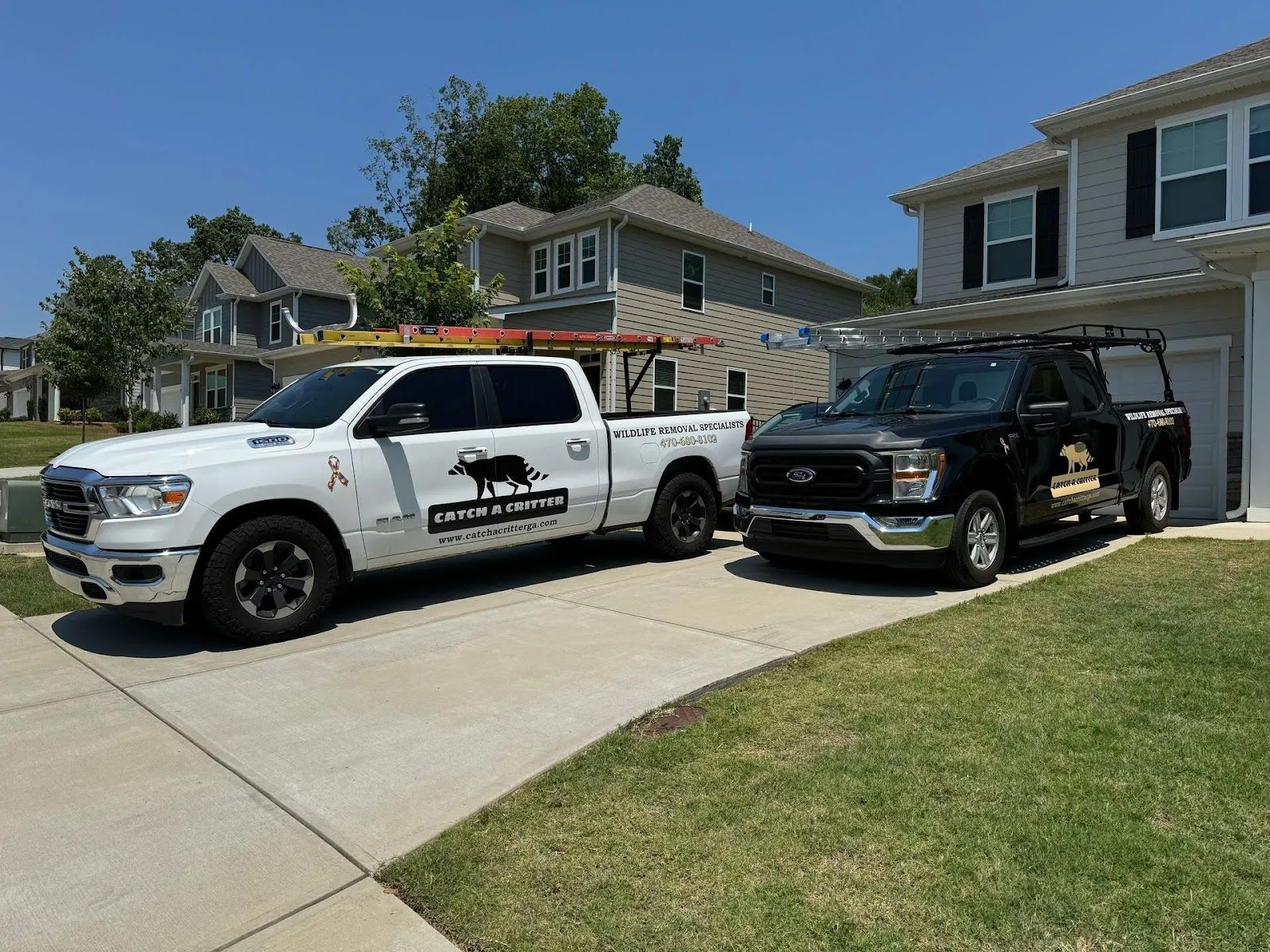
Addressing an attic squirrel problem promptly prevents small entry holes from developing into hazardous electrical fires or costly insulation replacements. Catch A Critter's proven exclusion protocols provide long-term protection while treating native North Georgia wildlife ethically.
Hearing noises above your ceiling or seeing signs of chewed fascia?
Reach out to Catch A Critter today for a friendly inspection, a free upfront estimate, and dependable exclusion solutions that protect your home.
About the author
Richard Neumayer is the founder, owner, and lead wildlife specialist at Catch A Critter LLC, based in Cumming, Georgia. With more than a decade of hands-on field experience resolving complex wildlife intrusions across Forsyth, Gwinnett, Fulton, and Dawson counties, Richard specializes in humane animal removal, structural exclusion engineering, and attic cleanouts and restoration. Richard takes pride in treating every home like his own, giving North Georgia families permanent peace of mind with ethical, lasting solutions that keep wildlife where it belongs, in the woods.