

How to get squirrels out of your attic for good: The complete exclusion guide
How to get squirrels out of your attic for good: the complete exclusion guide
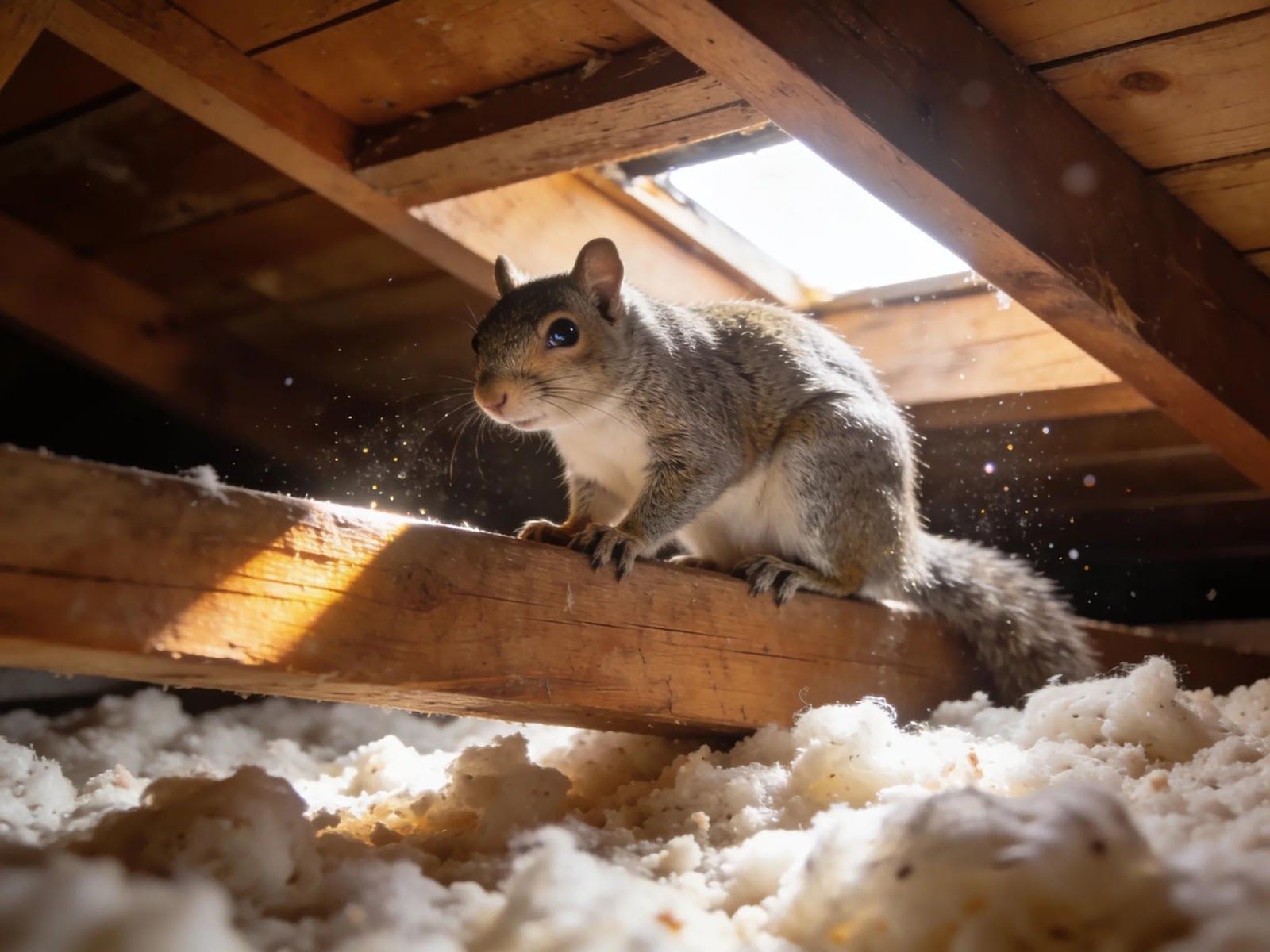
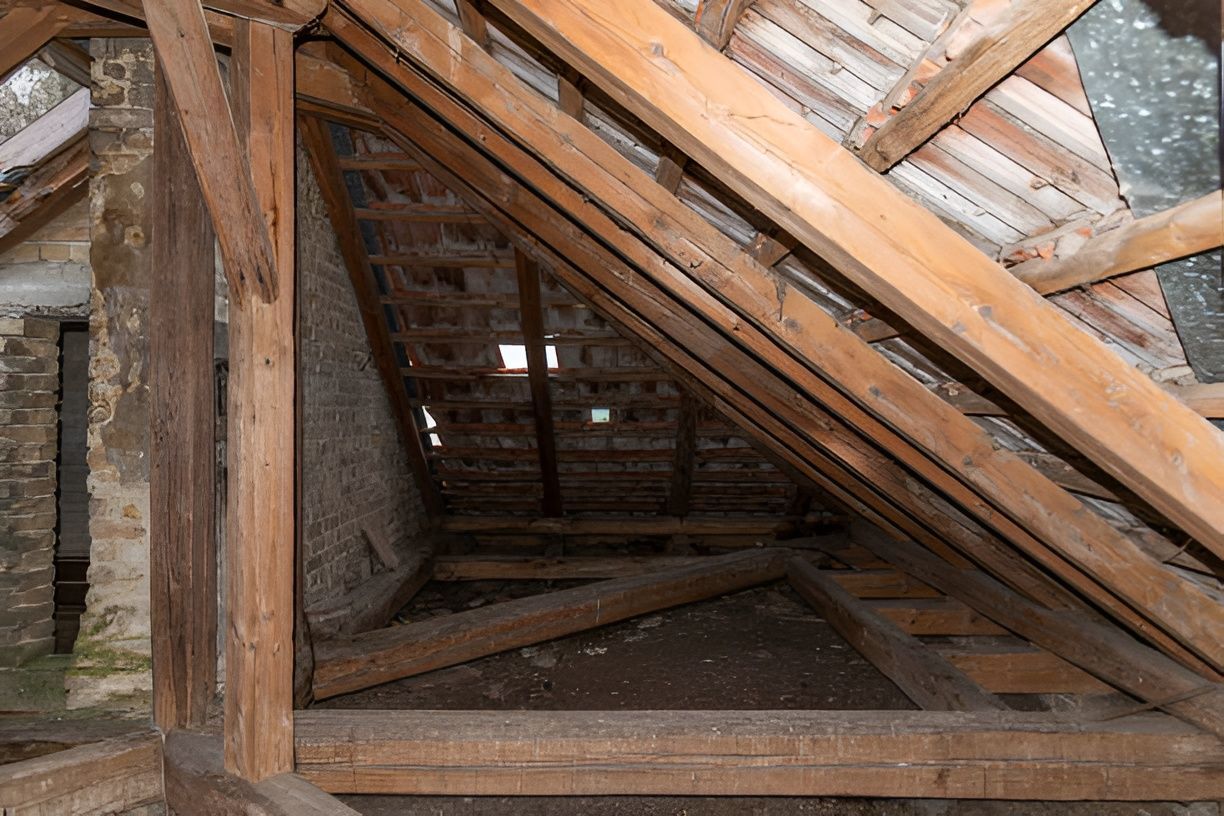
Hearing scampering noises above your ceiling early in the morning or late at night is an immediate warning that wildlife has breached your home. In this guide, you’ll discover how to identify your intruder by sound alone, pinpoint hidden roofline entry points, and implement permanent squirrel removal that prevents recurring seasonal nesting. Catch A Critter - Wildlife Removal Specialists provides North Georgia homeowners with the practical steps needed to protect electrical wiring, restore attic insulation, and secure their properties for good.
TL;DR: Key Takeaways for Homeowners
- Identify Your Intruder by Sound: Morning noise (6:00 AM–9:00 AM) indicates solitary gray squirrels; nighttime rustling (11:00 PM–4:00 AM) points to flying squirrel colonies.
- Stop the #1 Attic Fire Hazard: Rodent chewing strips Romex wire insulation, creating immediate spark and fire risks in dry attic insulation.
- Why Traps Fail Without Exclusion: Permanent relief requires heavy-duty 19-gauge steel mesh, custom drip edge flashing, and spring-loaded one-way exit doors.
- Neutralize Colony Pheromones: Sealing entry holes without hospital-grade enzymatic decontamination leaves scent trails that draw neighboring squirrels back.
Hearing noises in your attic?
Why squirrels target residential attics
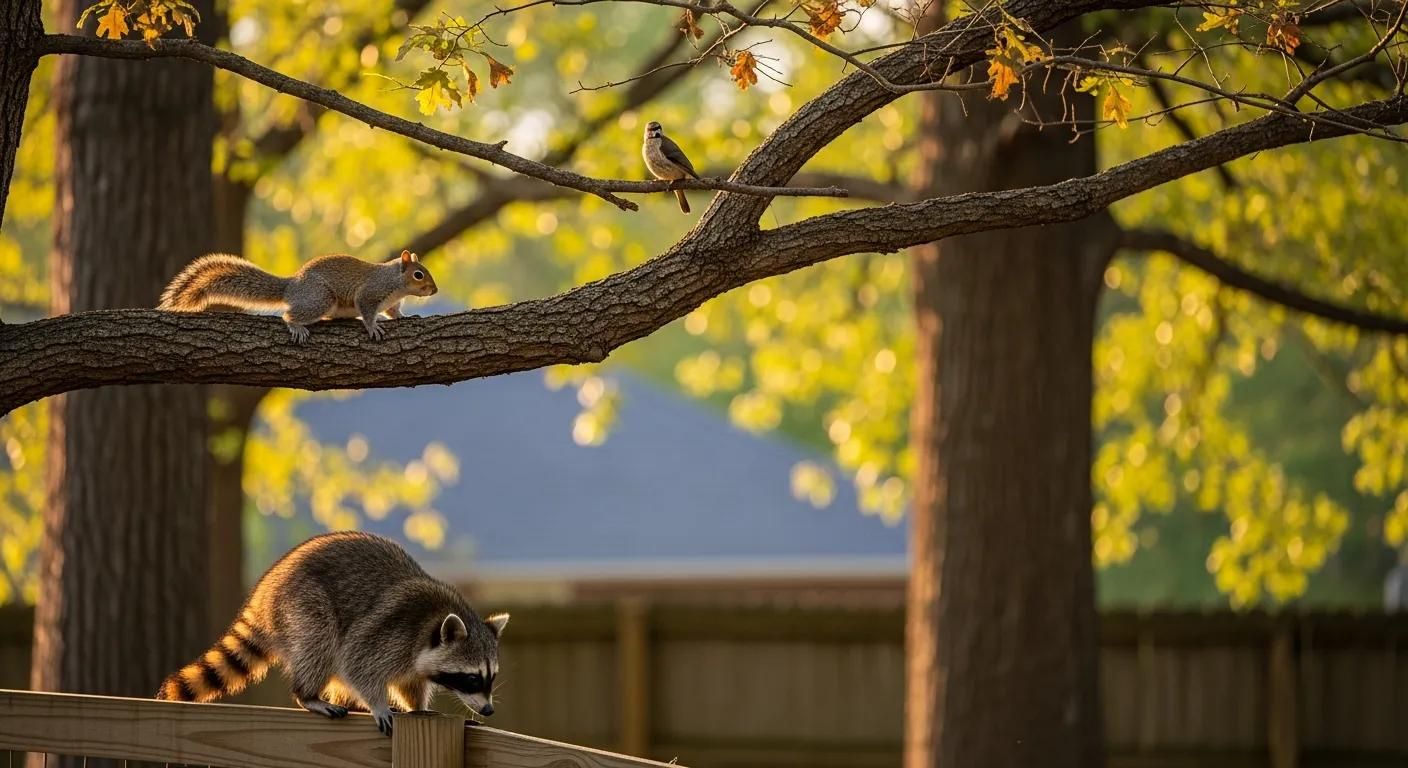
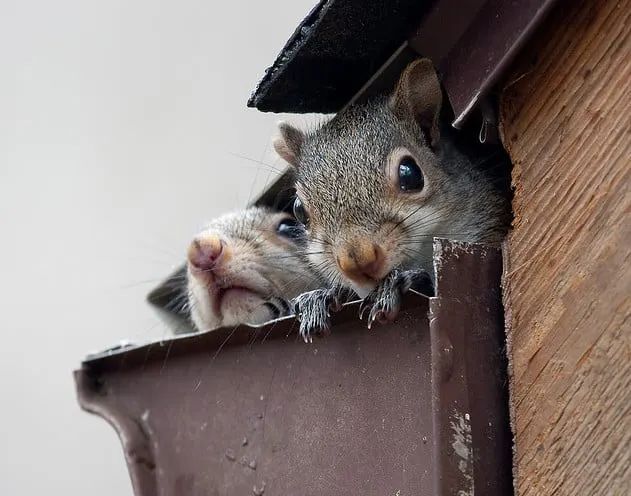
Residential homes in North Georgia are especially vulnerable to squirrel intrusions because of mature hardwood trees, multi-gable rooflines, and biannual breeding cycles. Oak and hickory branches extending within jumping distance of roofs give wildlife direct pathways to gutters, soffits, and unsealed rooflines.
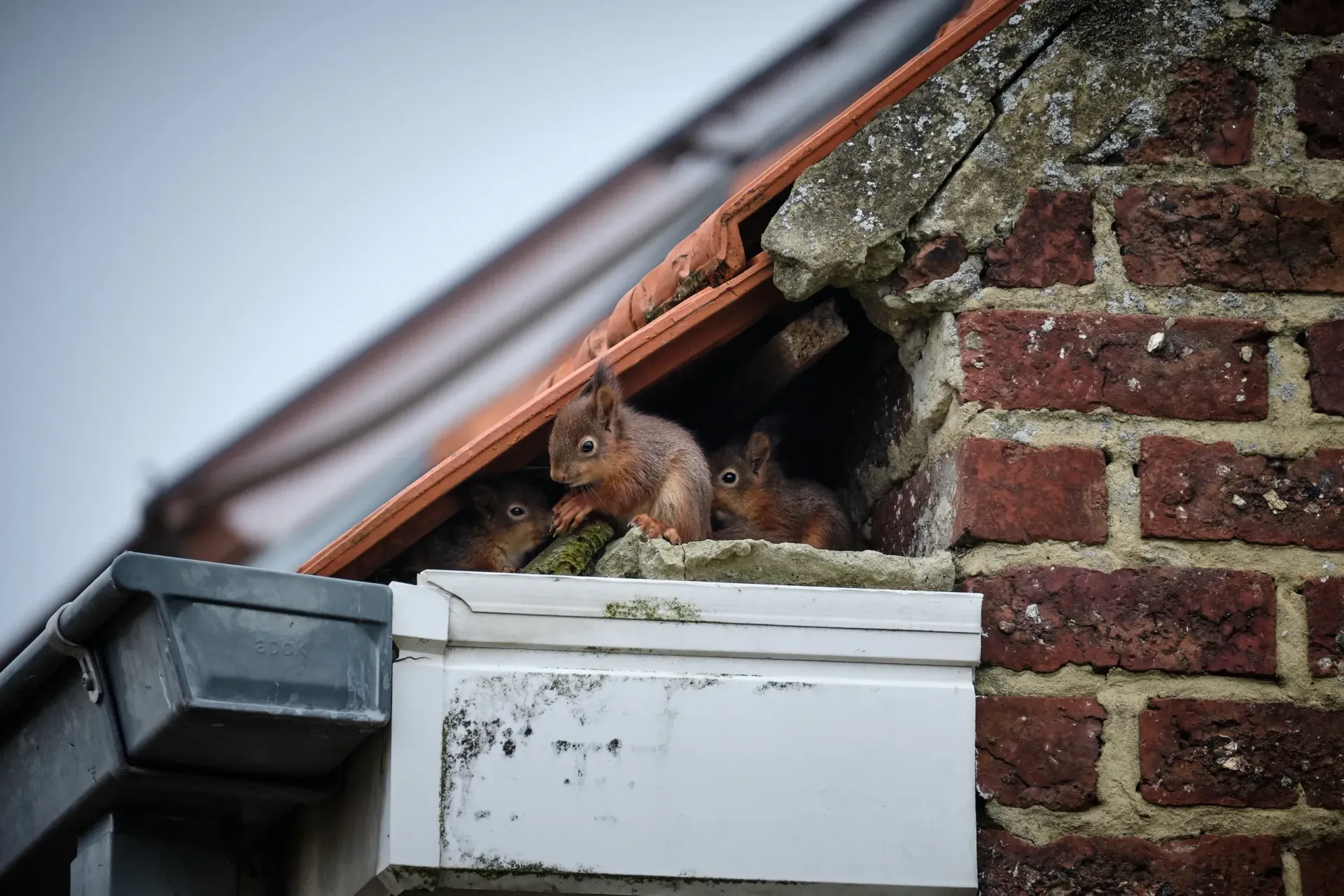
North Georgia experiences two major squirrel breeding spikes each year: late winter (January through March) and late summer (July through September). During these windows, pregnant females actively chew into attics to build secure, predator-free birthing nests. Once inside, they shred insulation and gnaw on framing to establish permanent nursery territory.
| Geographic & environmental factor | Local habitat condition | Impact on attic vulnerability |
|---|---|---|
| Canopy density | Overhanging oak, hickory, and pine branches within 8 feet of roofs | Gives animals direct jumping pathways to roof returns and gutters |
| Architectural style | Multi-gable rooflines, construction gaps, and plastic ridge vents | Creates unsealed entry seams where wood, shingles, and fascia meet |
| Seasonal weather | Rapid temperature drops during fall and winter months | Drives wildlife to seek climate-controlled attic cavities and thermal insulation |
When a squirrel discovers a small opening along an unsealed roof gap, builder's gap, or rotted fascia board, it uses its front incisors to gnaw the opening into a primary entry portal.
Identifying your attic intruder: gray squirrel versus flying squirrel
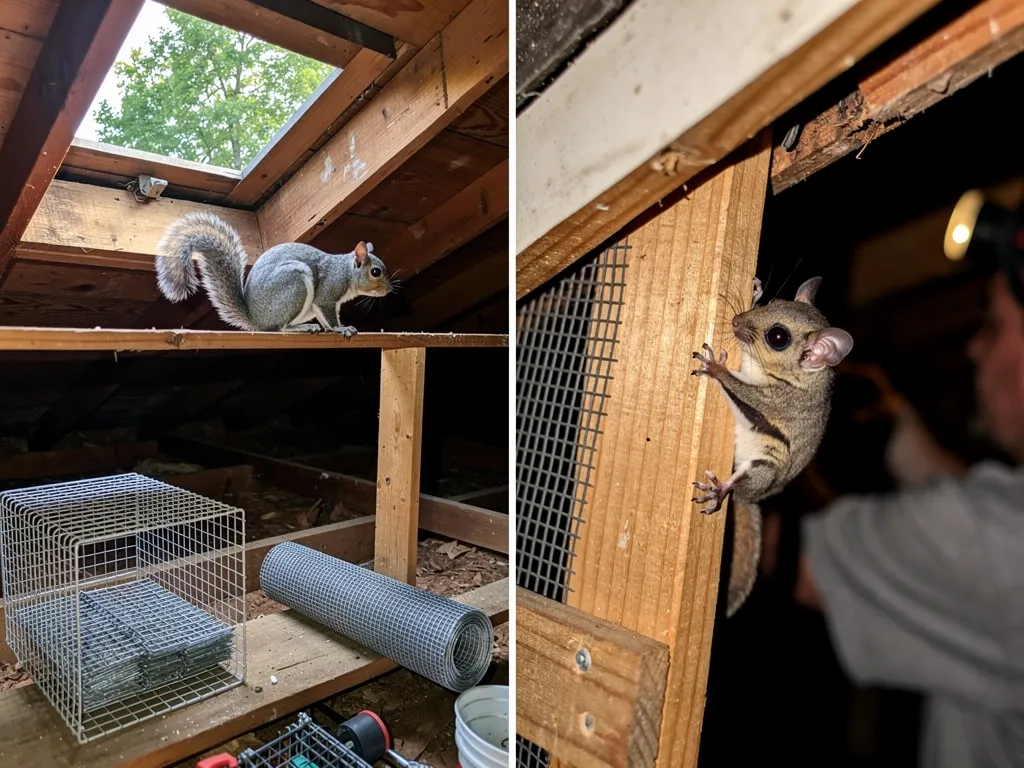
Accurate species identification determines the exact hardware mesh gauge, trapping protocol, and exclusion strategy required to secure your home. North Georgia properties are typically invaded by two distinct squirrel species: the eastern gray squirrel and the southern flying squirrel.
| Diagnostic trait & indicator | Eastern gray squirrel | Southern flying squirrel |
|---|---|---|
| Activity schedule | Diurnal: Active early morning (6:00 AM–9:00 AM) and late afternoon | Nocturnal: Active late night (11:00 PM–4:00 AM) through pre-dawn |
| Colony size | Solitary or small family unit: Typically 1 to 6 individuals | Colonial nesting: Large communal colonies of 10 to 25+ individuals |
| Minimum entry gap size | 1.5 to 2.0 inches: Chews open wooden fascia boards, trim, and soffits | 0.5 inches (nickel-sized): Slips through tiny architectural gaps and drip edges |
| Acoustic signature | Loud scurrying, heavy scratching, rolling walnuts or acorns on drywall | Light tapping, gliding impact landings, rhythmic soft chirps |
| Exclusion hardware required | 1/2-inch 19-gauge hot-dipped galvanized steel hardware cloth | 1/4-inch 19-gauge hot-dipped galvanized steel wire mesh |
| Latrine & waste pattern | Droppings scattered across primary attic travel corridors and joists | Concentrated latrine hubs with severe localized urine saturation |
Eastern gray squirrels are daytime foragers. If you hear loud scurrying between 6:00 AM and 9:00 AM, you're likely dealing with gray squirrels. Southern flying squirrels, on the other hand, are strictly nocturnal and live in large communal colonies. If you hear activity overhead at 1:00 AM, flying squirrels are almost certainly present. Review our detailed field diagnostic on
identifying animal signs in your attic to cross-reference noises and droppings.
Because southern flying squirrels only move at night and slip through tiny half-inch gaps, they're among the most commonly misidentified attic invaders across our region.
The hidden dangers of squirrel infestations in your home
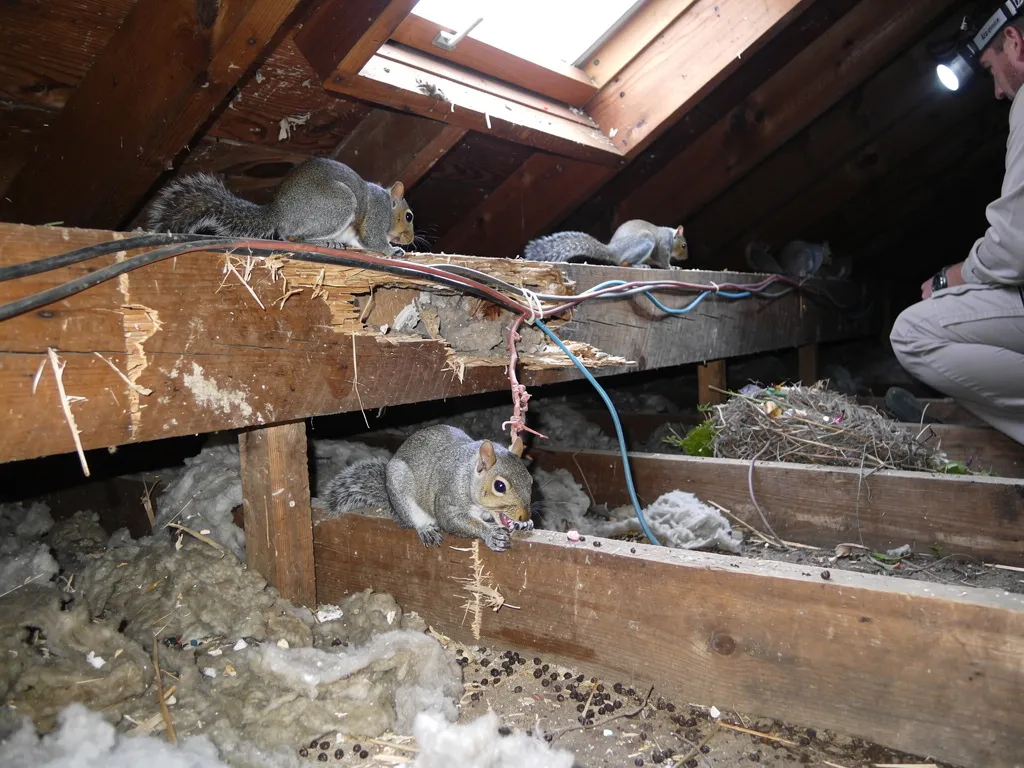
Squirrels in your attic cause severe structural degradation, significant fire risks, and biological health hazards that worsen every day the infestation persists. Rodents possess continuously growing front incisors that force them to constantly gnaw on hard surfaces to keep their teeth filed down.
Electrical fire hazards from chewed wiring
Squirrels strip the plastic protective casing from Romex electrical wiring running through attic joists. Exposed copper wires can spark and short-circuit, creating an immediate fire hazard in dry attic insulation. The Georgia Department of Natural Resources Wildlife Division highlights rodent chewing on attic wiring as a documented cause of unexplained residential structure fires.
Structural wood and soffit destruction
Female squirrels chew through wooden fascia boards, rafter tails, and roof decking to build nesting pockets. They also tear away foam insulation, chew through PVC plumbing vent stacks, and damage gable louver slats.
Thermal insulation contamination and energy loss
Nesting squirrels compact, tear, and soil attic insulation with urine and fecal latrines. This destruction strips the thermal efficiency (R-value) of your home, causing utility bills to spike while creating persistent foul odors that seep down into your living areas.
Parasites and biological health risks
Wild squirrels carry ectoparasites, including fleas, ticks, mites, and bat bugs. In addition, dry fecal particles can aerosolize and circulate through your home's HVAC air intake systems, triggering respiratory irritation and potential exposure to zoonotic pathogens, as noted by the Centers for Disease Control and Prevention.
Step-by-step professional squirrel removal process
Humane and permanent wildlife resolution requires a systematic five-phase engineering process that removes animals safely and prevents future re-entry. DIY traps and sonic repellents rarely solve the issue because they don't address structural entry vulnerabilities.
- 32-Point Structural Inspection: We inspect your roofline, ridge vents, drip edges, chimney flashing, soffit returns, and attic interior to map every primary entry point and secondary vulnerability.
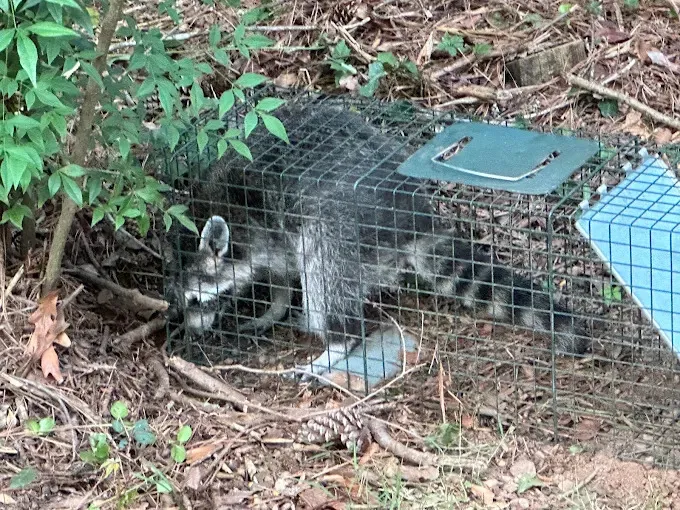
- Humane Trapping & One-Way Door Installation: We install heavy-duty, spring-loaded one-way exclusion valves over active entry holes. This lets squirrels leave safely to forage while locking them out upon return. We deploy targeted live cage traps when unweaned young or non-dispersing animals are present.
- Maternity Nest Verification: Our technicians physically inspect attic crawlspaces to confirm that no dependent juvenile litters remain trapped inside wall voids or rafter pockets.
- Full-Home Structural Exclusion: We seal every potential opening across the entire roof envelope using custom-formed metal flashing and chew-proof galvanized hardware cloth.
- Attic Decontamination & Sanitization: We remove soiled insulation and vacuum bio-waste before applying our hospital-grade enzymatic sanitizers and odor neutralizers.
To protect your home with lasting structural defenses, explore our dedicated Cumming GA squirrel removal services, designed specifically for residential rooflines across Forsyth County and North Georgia.
Hardware specifications for permanent wildlife exclusion
Effective exclusion demands commercial-grade construction hardware that wildlife cannot chew, bend, or pull loose. Standard wire screen, expanding spray foam, and plastic vent caps are completely ineffective against rodent teeth.
| Exclusion zone | Standard home material (vulnerable) | Catch A Critter commercial hardware spec |
|---|---|---|
| Roof ridge vents | Plastic cap with standard foam baffles | 1/2" 19-gauge galvanized steel mesh under-ridge lining |
| Soffit returns & fascia gaps | Soft pine trim and vinyl soffit panels | Custom-bent heavy-gauge aluminum flashing & steel backing |
| Gable louver vents | Lightweight aluminum screening | 19-gauge hot-dipped galvanized hardware cloth (interior mounted) |
| Plumbing vent pipes | Standard rubber boot and PVC pipe | All-steel animal exclusion pipe shields with chew caps |
| Flying squirrel seams | Unsealed 1/2" construction gaps at drip edge | 1/4" steel mesh tucked behind metal drip edge trim |
We secure every barrier with weather-sealed stainless steel screws so North Georgia storms and persistent animals can't tear them loose. Learn how our technicians reinforce hidden vulnerabilities in our guide on potential squirrel locations in your home.
Restoring your attic: biohazard remediation and pheromone neutralization
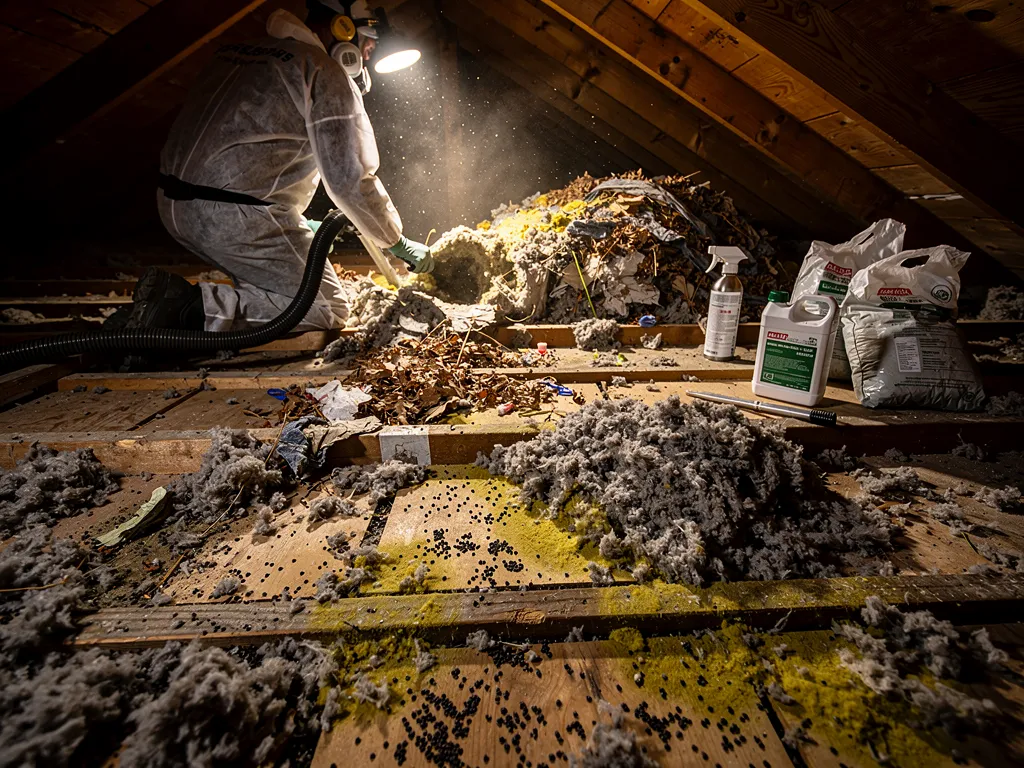
Getting squirrels out of your attic won't solve the problem if you leave behind their scent trails and droppings. When squirrels nest inside an attic, they deposit heavy amounts of urine, feces, pheromone markings, and nesting debris.
Neighboring squirrels detect these pheromones from hundreds of yards away. If you seal entry holes without treating scent markers, new squirrels will gnaw relentlessly at your roofline to reach the established nest territory.
Our remediation protocol involves three critical steps:
- HEPA-Filtered Bio-Waste Extraction: Removal of animal droppings and contaminated insulation nesting piles without releasing dust or pathogens into the home.
- Industrial Mist Sanitization: Application of an EPA-registered hospital-grade disinfectant to eliminate bacteria, fungal spores, and parasites left behind by wildlife.
- Enzymatic Odor Counteraction: Specialized bio-enzymatic agents break down uric acid crystals and pheromones, completely neutralizing the scent signature of the colony.
For homeowners throughout North Georgia, our Cumming and Forsyth County wildlife control team completely sanitizes and seals your attic against future intrusions.
Frequently asked questions about squirrel removal and exclusion
How much does professional squirrel removal and exclusion cost?
Pricing is determined by infestation scope, entry points, and structural repairs. Costs vary based on whether you have a solitary gray squirrel entry or a multi-entry colonial flying squirrel infestation requiring full-roofline exclusion and attic decontamination. Catch A Critter provides a thorough 32-point inspection and a detailed, upfront written estimate before starting any work.
Can I just use mothballs, strobe lights, or ultrasonic repellers to get rid of squirrels?
No, home remedies and sonic repellers don't work for established infestations. Mother squirrels will tolerate extreme sound and flashing light to protect their nesting litters. Mothballs emit toxic chemical vapors that drift into your home's air ducts without deterring rodents. Physical barrier exclusion and species-specific removal are the only permanent, code-compliant methods.
Will squirrels leave on their own in the summer?
No, squirrels treat your attic as their permanent home territory. While adult squirrels forage outdoors during warm days, they'll return to the attic for shelter, predator protection, and biannual breeding cycles. Once a scent trail is established, squirrels remain permanent residents until physically excluded.
What should I do if a squirrel gets trapped inside my living room or bedroom?
Don't corner, chase, or handle the animal directly. Cornered squirrels bite defensively. Close all interior doors leading to other rooms, open exterior windows and doors in that room, and step away to give the animal a clear escape route. If the animal won't leave, contact our emergency wildlife team immediately.
Take control of your home with Catch A Critter
Living with wildlife in your attic threatens your property value, compromises your family's safety, and increases the risk of electrical fires. At Catch A Critter, we combine humane wildlife biology with precision architectural exclusion to protect your home permanently.
Our licensed and insured wildlife specialists conduct thorough inspections, install long-lasting galvanized steel barriers, and restore contaminated attics throughout Forsyth County and North Georgia.
Don't wait for chewed wiring or damaged insulation to get worse. Contact our local team today for an expert inspection.
Call (770) 637-4942|
Schedule Your Free Inspection Online
About the Author
Richard Neumayer is the Founder, Owner, and Lead Wildlife Specialist at Catch A Critter LLC, headquartered in Cumming, Georgia. With over a decade of hands-on field experience resolving complex human-wildlife conflicts throughout North Georgia, Richard specializes in humane species-specific removal, advanced architectural exclusion, and complete attic remediation. Fully licensed and insured by the State of Georgia, he is committed to providing property owners with ethical, permanent wildlife control solutions that protect homes and preserve native Georgia wildlife.