

Pest Control vs. Wildlife Removal: Which Service Does Your Forsyth County Home Actually Need?
When wild animals find their way into your home, they can quickly cause unexpected damage, health concerns, and stressful disruptions for your family. Homeowners often assume any licensed exterminator can handle the job, only to discover that standard pest control licenses do not cover vertebrate trapping or relocation.
Making the wrong choice can leave you with unresolved infestations and thousands of dollars in unnecessary repair bills. Before you hire any service, it is critical to examine the distinct operational boundaries that separate traditional exterminators from licensed wildlife removal specialists.
TL;DR
- Standard pest control licenses do not cover vertebrate wildlife. Hiring an exterminator for a raccoon, squirrel, or bat problem will not resolve the infestation.
- Wildlife removal is a structural discipline: permanent solutions require physical exclusion, sealed entry points, and wildlife-grade materials, not chemical sprays.
- Failing to seal entry points after trapping creates a scent-driven re-infestation cycle that costs far more than a proper one-time exclusion.
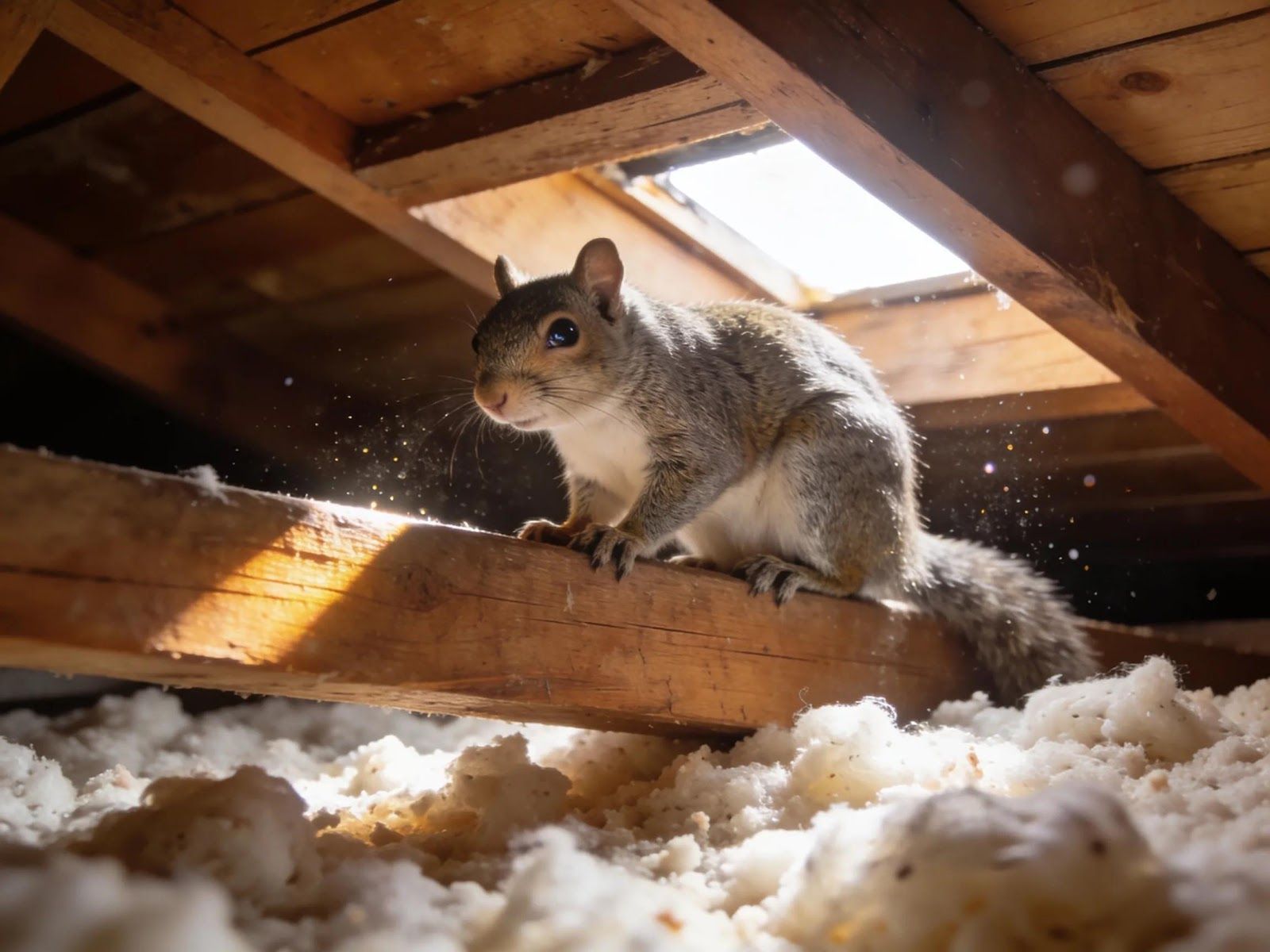
- Wild animals cause rapid, severe damage, including chewed wiring, ruined insulation, and contaminated attic spaces that standard pest control companies are not equipped to remediate.
- Bat guano and raccoon feces carry serious health hazards, including histoplasmosis and Baylisascaris roundworm, requiring specialized cleanup by wildlife professionals.
- Catch A Critter handles every phase of the process for Forsyth County and North Georgia homeowners, from inspection and humane removal to attic decontamination and permanent structural exclusion.
Diagnosing the Intrusion: Insects vs. Wild Animals
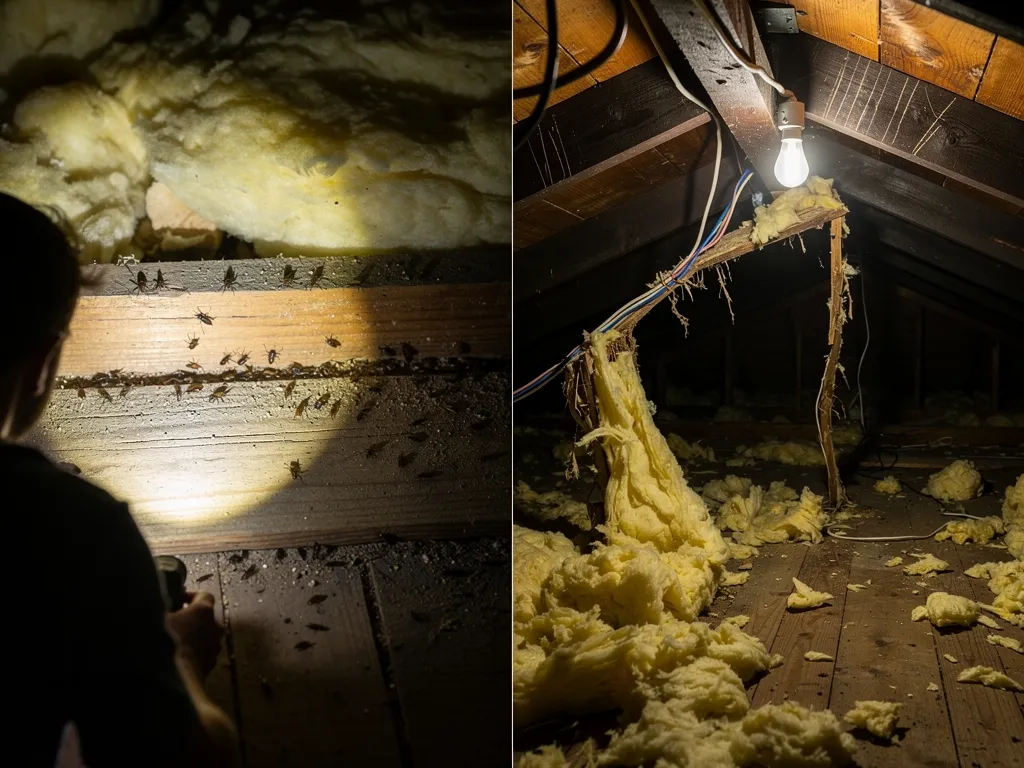
Identifying the specific type of intruder in your home is the first step toward resolving the issue. Homeowners often mistake the signs of a wildlife infestation for standard insect activity, leading to incorrect service bookings. Understanding the biological and behavioral differences between these two classes of pests is essential for choosing the correct professional intervention.
To help you quickly diagnose what is happening in your home, we have broken down the primary differences in signs, sounds, and damage:
| Intruder Category | Common Signs | Typical Sounds | Type of Damage | Primary Entry Points |
|---|---|---|---|---|
| Insects & Bugs (Ants, Termites, Spiders) | Thin trails along baseboards, mud tubes, fine wood shavings (frass), spider webs in quiet corners. | Virtually silent to the human ear; occasional faint clicking in walls during severe infestations. | Slow, long-term degradation of wooden structures; cosmetic damage to drywall and trim. | Microscopic foundation cracks, gaps around window screens, unsealed utility lines. |
| Vertebrate Wildlife (Squirrels, Raccoons, Bats) | Large droppings, chewed electrical wires, torn insulation, grease smudges around rooflines, strong ammonia odors. | Heavy thumping, scratching, clawing, scurrying, and vocal chattering (especially at night or early morning). | Rapid, severe structural damage; torn soffits, chewed fascia boards, ruined attic insulation, chewed wiring. | Roof vents, construction gaps, unsealed chimneys, damaged soffits, crawlspace vents. |
Insects and arachnids leave subtle, localized signs. These tiny insects usually slip in through microscopic gaps and establish quiet nesting areas behind your walls. They do not possess the physical strength to alter your home's structure actively. Instead, they exploit existing gaps or slowly degrade materials like wood over long periods. Managing these pests requires chemical treatments that target their nervous systems, disrupt their reproductive cycles, or eliminate their food sources.
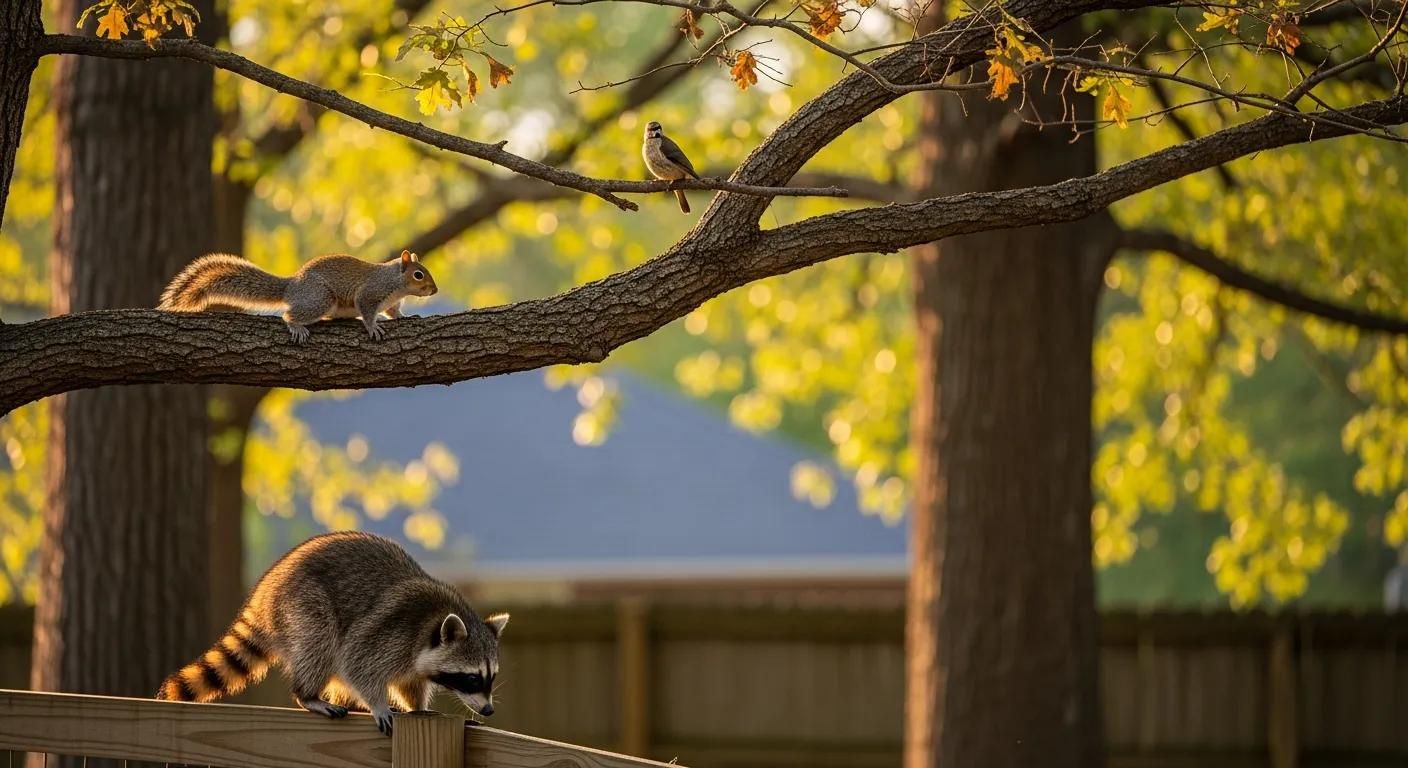
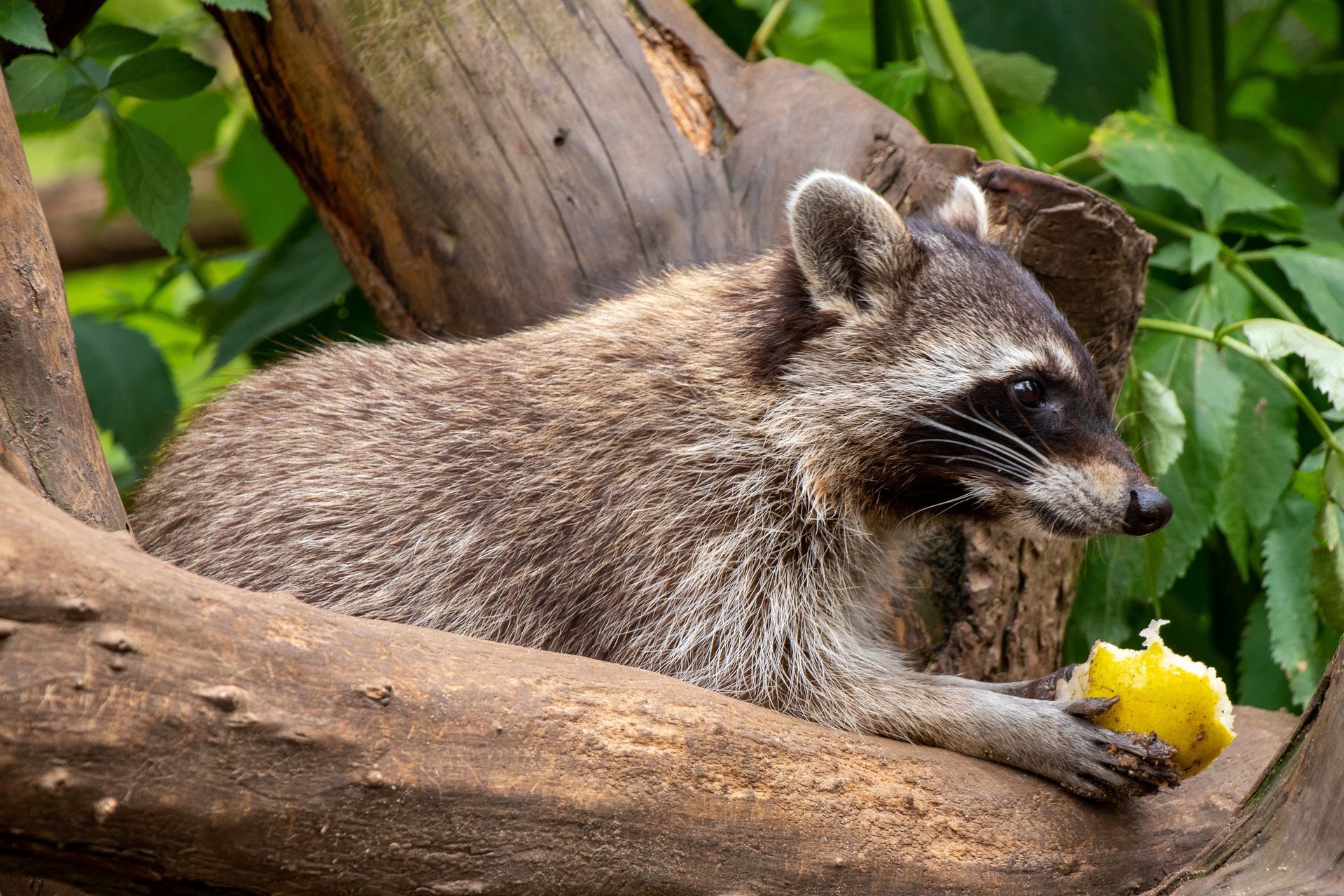
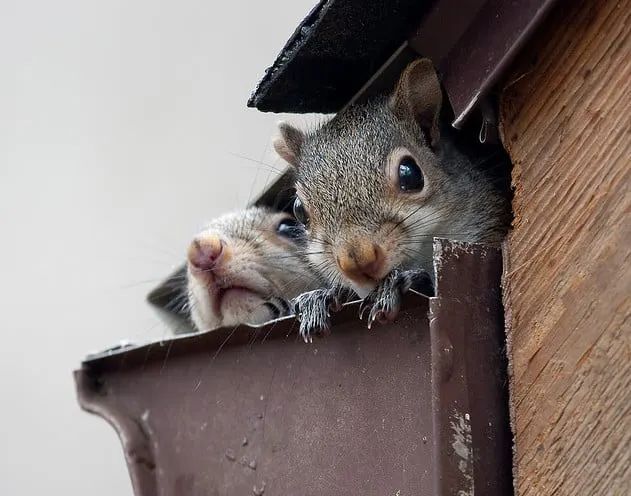
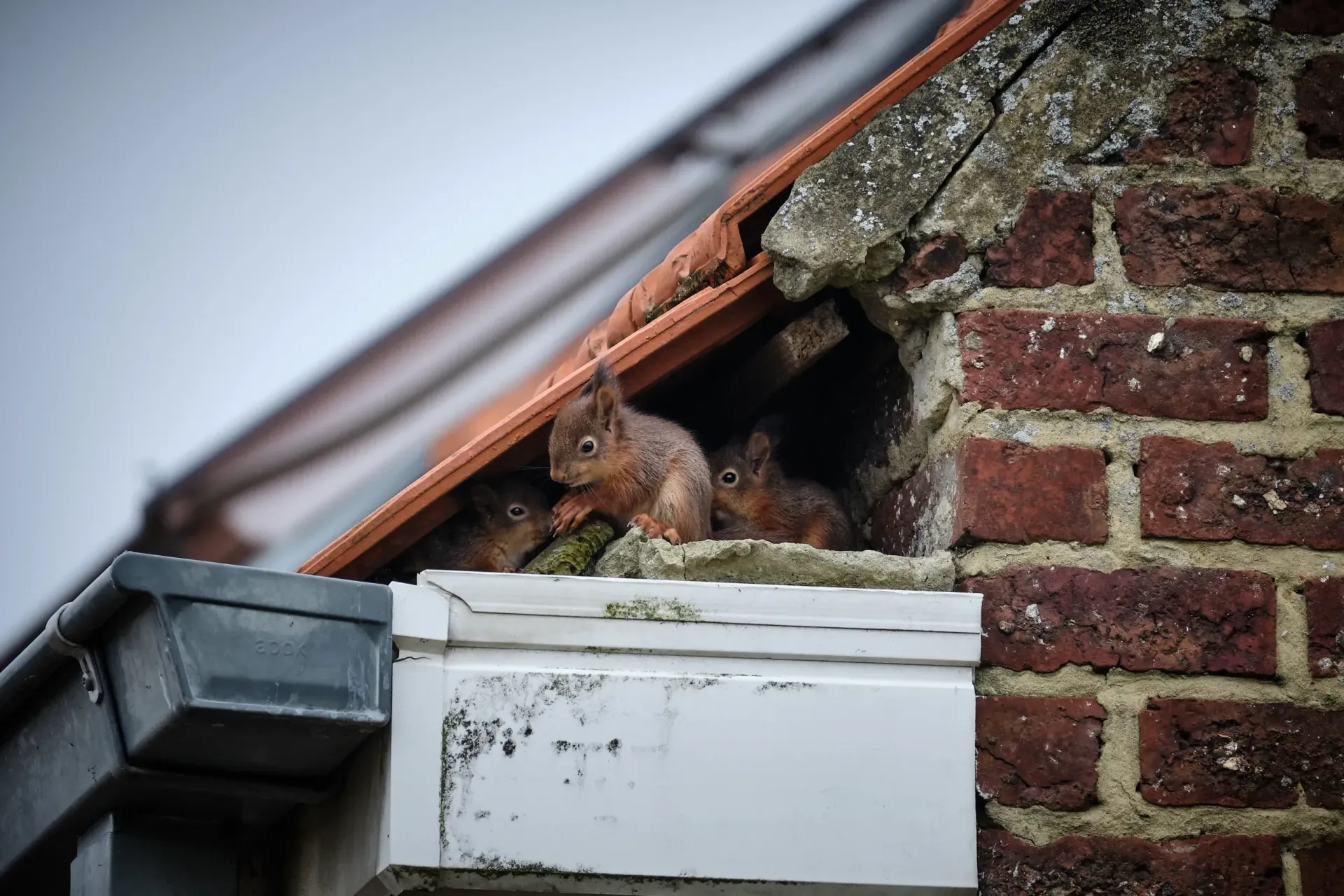
Conversely, vertebrate wildlife leaves highly destructive, physical evidence of their presence. Raccoons possess powerful, hand-like paws that can easily tear through heavy aluminum soffits, rip shingles off a roof, or destroy attic ventilation caps. Squirrels have constantly growing incisors that compel them to chew through heavy wooden fascia boards, vinyl siding, and even lead plumbing boots to gain access to warm nesting areas. Bats do not chew, but their presence is marked by concentrated piles of guano that quickly saturate drywall, ruin attic insulation, and emit a pungent, ammonia-like odor.
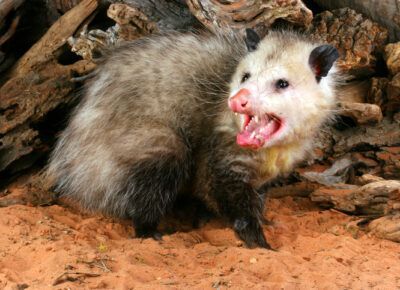
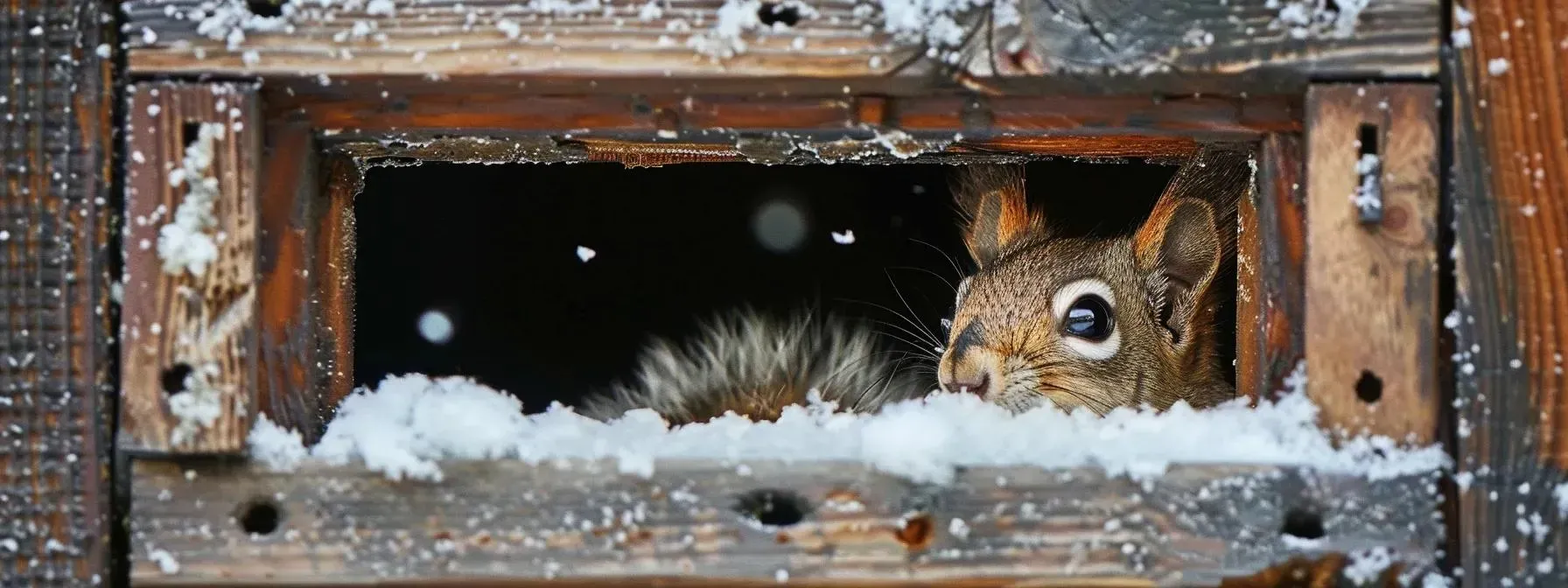
The sensory cues of a vertebrate intrusion are also highly distinct. While insects are virtually silent to the human ear, wild animals produce loud, unsettling noises. Homeowners typically report heavy thumping, scratching, clawing, and vocalizations. The timing of these noises often reveals the species involved. Heavy scratching and scurrying during the daytime hours usually point to gray squirrels, which are diurnal. Scurrying, chewing, and rolling sounds at night typically indicate nocturnal flying squirrels or rats. Heavy thumping, dragging, and vocal growls or chitters during the night are classic indicators of raccoons or opossums.
Comparing the Methodologies: Chemical Suppression vs. Structural Exclusion
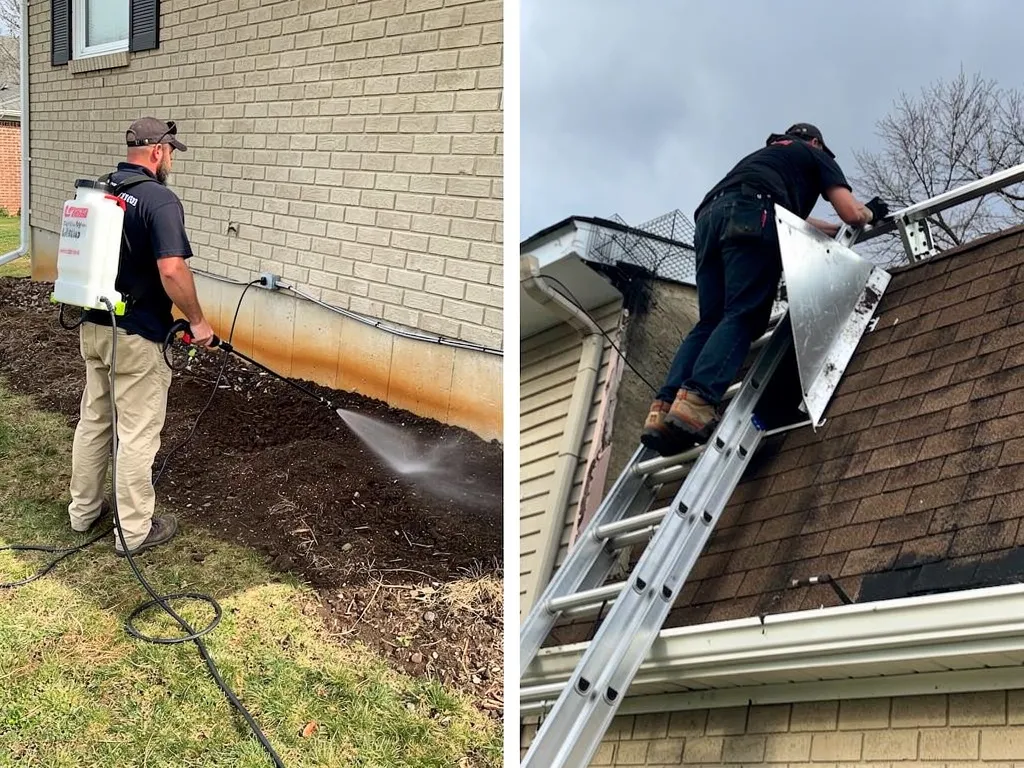
To understand why hiring the wrong provider can lead to recurring issues, it is helpful to compare how traditional insect control companies and wildlife removal specialists approach their work:
| Operational Feature | Traditional Insect Control | Professional Wildlife Removal |
|---|---|---|
| Primary Target | Invertebrates (ants, roaches, spiders, termites) and small rodents (mice). | Vertebrates (raccoons, squirrels, bats, opossums, snakes). |
| Core Methodology | Chemical suppression (sprays, liquid barriers, granular baits, dusts). | Structural exclusion (one-way doors, physical barriers, live-trapping). |
| Treatment Frequency | Recurring maintenance (monthly, bi-monthly, or quarterly visits). | One-time project with permanent structural guarantees. |
| Structural Repairs | Rarely offered; homeowners must hire a separate contractor to seal gaps. | Comprehensive repairs using heavy-duty, wildlife-grade materials. |
| Humane Relocation | Not applicable; focus is on population elimination. | Highly regulated, humane capture and relocation of protected species. |
How Traditional Pest Control Addresses Insect Infestations
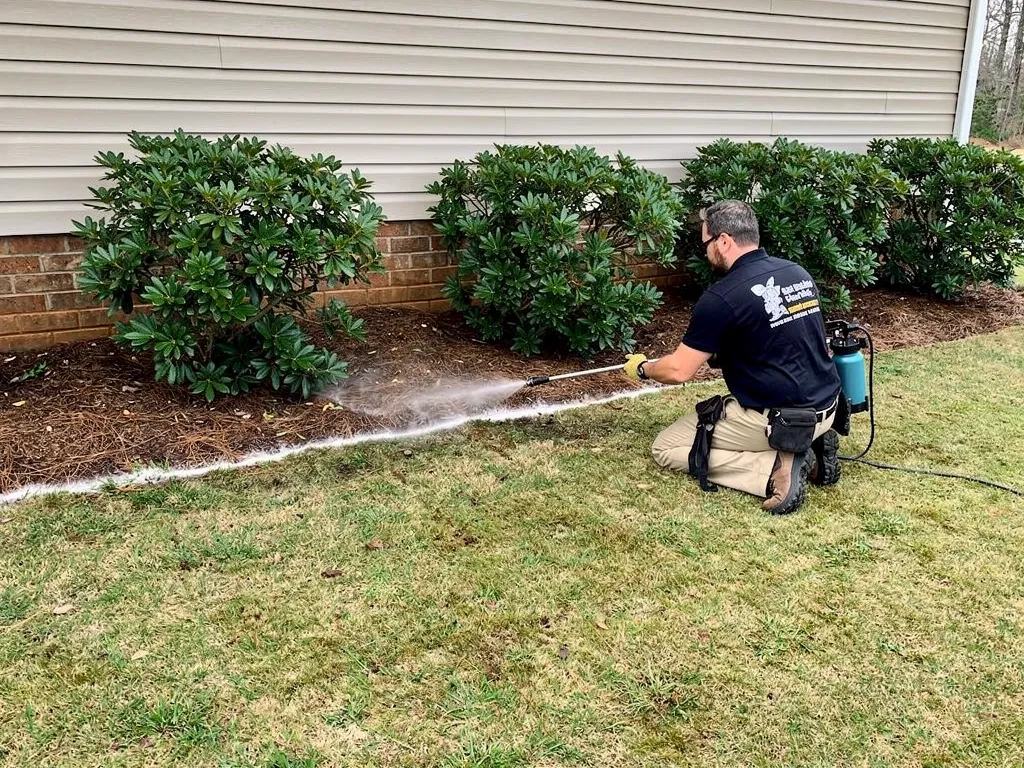
Traditional insect control companies focus on regular, ongoing treatments to keep bugs and insects away from your living spaces. Their primary objective is to eliminate and manage populations of insects, spiders, and small rodents like mice. The tools of their trade are chemical-based, designed to create an inhospitable environment for pests that crawl or fly into your living spaces.
To achieve this, pest control technicians apply liquid barriers, insect growth regulators, and granular baits around the perimeter of your home. They treat baseboards, crawlspaces, and exterior foundations to establish a continuous chemical shield. These treatments require regular reapplication, typically on a monthly, bi-monthly, or quarterly basis. This frequency is necessary because environmental factors like Georgia's heavy rainfall, high humidity, and intense summer heat naturally degrade the chemical barriers over time.
Standard pest control is highly effective at managing insect populations because insects rely on physical contact with surfaces to navigate your home. When an ant or roach crosses a treated barrier, it carries the active ingredient back to the colony, leading to widespread elimination. This model is highly systemic and relies on the biology of the insect to distribute the treatment.
However, this chemical-suppression model is completely ineffective against larger, vertebrate wildlife. A chemical spray applied to a foundation will not deter a raccoon from climbing a nearby tree and ripping open a roof vent. Granular insect baits will not stop a squirrel from chewing through an eave. Vertebrate pests possess high intelligence, physical strength, and complex behaviors that allow them to bypass chemical barriers entirely. They do not navigate your home by crawling along baseboards; they enter through specific, localized structural breaches high on the roofline or deep in the crawlspace. Therefore, attempting to solve a wildlife crisis with traditional pest control methods is a fundamental mismatch of tools and biology.
How Wildlife Removal Specialists Solve Vertebrate Invasions
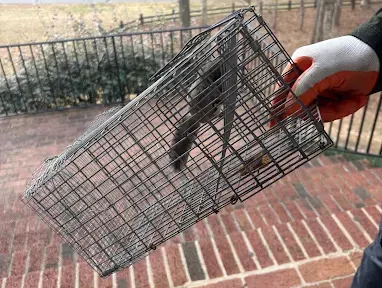
Solving a wildlife issue is actually much closer to home repair and carpentry than it is to spraying chemicals. Vertebrate animals possess high intelligence, physical strength, and adaptive behaviors, allowing them to bypass simple barriers and adapt to standard trapping attempts. Resolving a wildlife crisis permanently requires a deep understanding of animal biology, structural engineering, and specialized construction techniques.
The process begins with a comprehensive, multi-point inspection of the entire structure. A certified technician must physically inspect the roofline, chimney, soffits, fascia, crawlspace vents, and foundation. Wildlife technicians do not look for general pest activity; they map specific entry points, identifying chewed wood, bent metal, grease smudges left by animal fur, and active runways. They also assess the interior of the attic or crawlspace to determine the extent of the nesting, the species involved, and the presence of any offspring.
Once the entry points are mapped, the strategy shifts to physical capture, humane relocation, and permanent structural reinforcement. Rather than relying on open-ended trapping, which can leave animals stressed or injured, modern wildlife management utilizes the concept of exclusion. Technicians install specialized one-way exclusion doors over the primary entry points. These devices are engineered to allow animals to exit the home safely to forage but physically prevent them from re-entering.
While the exclusion doors are active, technicians perform "partial exclusion" on the rest of the structure. They seal every secondary gap, construction gap, and potential entry point on the home. This step is critical; if you seal only the active hole, the animal will simply chew a new hole a few feet away when it finds itself locked out. Sealing the entire structure forces the animal to move away from the property entirely.
After ensuring the structure is completely empty of all wildlife, the exclusion doors are removed, and the primary entry points are permanently sealed. This process, known as
professional animal exclusion services, is the most humane wildlife removal approach available, letting animals leave safely on their own while permanently keeping them out. Technicians use heavy-duty, wildlife-grade construction materials. Technicians use 19-gauge galvanized steel hardware cloth, heavy-gauge aluminum flashing, concrete sealants, and structural fasteners. These materials are specifically designed to withstand the intense chewing power of rodents and the clawing strength of raccoons, providing a permanent barrier that chemical treatments can never replicate.
The Financial Risk of Hiring the Wrong Provider
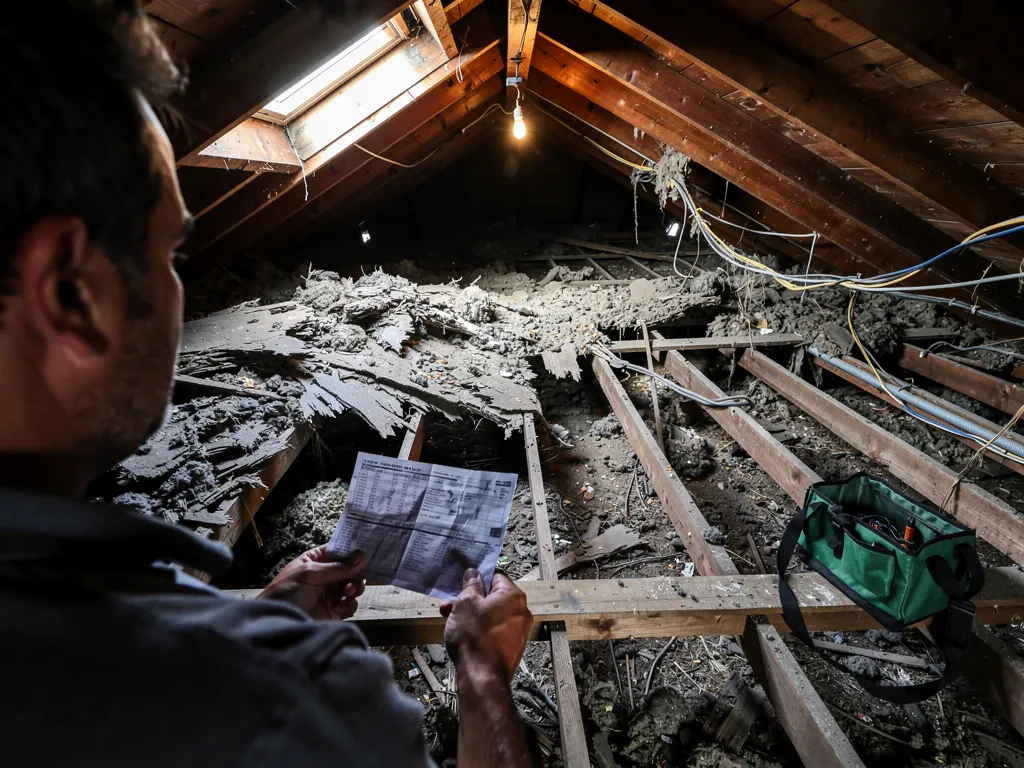
Hiring a general pest control company to handle a wildlife issue often leads to escalating costs, recurring infestations, and unresolved property damage. Because traditional exterminators lack training in structural repair and wildlife biology, they rarely address the physical entry points that animals use to access your home.
If an exterminator places a trap in your yard, catches a squirrel, and leaves without sealing the entry hole on your roof, the problem is not solved. Wild animals leave behind strong pheromones and scent trails in their nesting areas. These scents act as a beacon for other wildlife in the area. Within days of removing one animal, another squirrel, raccoon, or opossum will detect the scent trail, locate the open entry hole, and re-occupy the vacant territory. This creates a costly, endless cycle of trapping services that drains your wallet without ever securing your home.
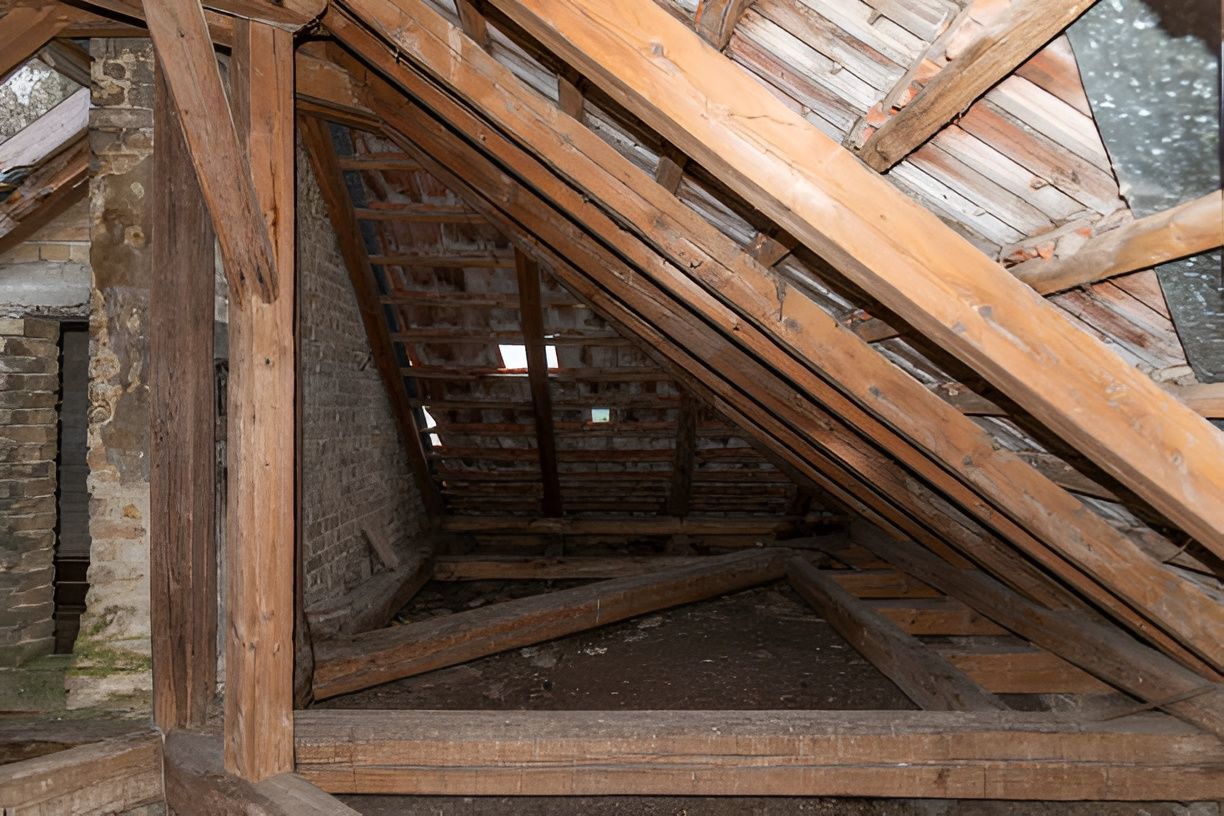
Furthermore, wild animals cause severe contamination that demands specialized remediation. Raccoon removal in Forsyth County and throughout North Georgia frequently uncovers the full extent of attic wildlife damage repair needs. These animals do not just damage wood; they deposit large volumes of feces, urine, and nesting materials throughout your attic or crawlspace. Nesting animals quickly leave behind waste and debris that ruin your insulation and create serious health hazards for your household.
The Hidden Costs of Incomplete Wildlife Treatment:
- The Re-Infestation Cycle: Paying repeatedly for trapping services because the physical entry holes were never sealed.
- Escalating Structural Damage: Chewed electrical wires that pose immediate fire hazards, and structural beams weakened by constant gnawing.
- Severe Insulation Ruin: Saturated insulation that loses its thermal properties, causing your monthly heating and cooling bills to skyrocket.
- Airborne Health Hazards: Breathing in microscopic fungal spores from bat guano or bird droppings that have entered your home's ventilation system.
According to the
Centers for Disease Control and Prevention (CDC), bat guano and bird droppings can carry
Histoplasma capsulatum, a fungus that releases microscopic spores into the air. When humans inhale these spores, they can develop histoplasmosis, a severe respiratory infection that can lead to chronic lung issues. Additionally, raccoon feces frequently contain the eggs of
Baylisascaris procyonis, a roundworm parasite that can cause severe neurological damage in humans and pets if ingested or inhaled.
Standard pest control services do not possess the specialized training, protective equipment, or sanitizing agents required for safe attic cleanout and restoration. Wildlife specialists must utilize industrial HEPA-filter vacuums to remove contaminated insulation safely, apply commercial-grade disinfectants and deodorizers to neutralize pathogens, and install fresh, high-efficiency insulation to restore your home's thermal envelope.
Protecting Your Forsyth County Property Today
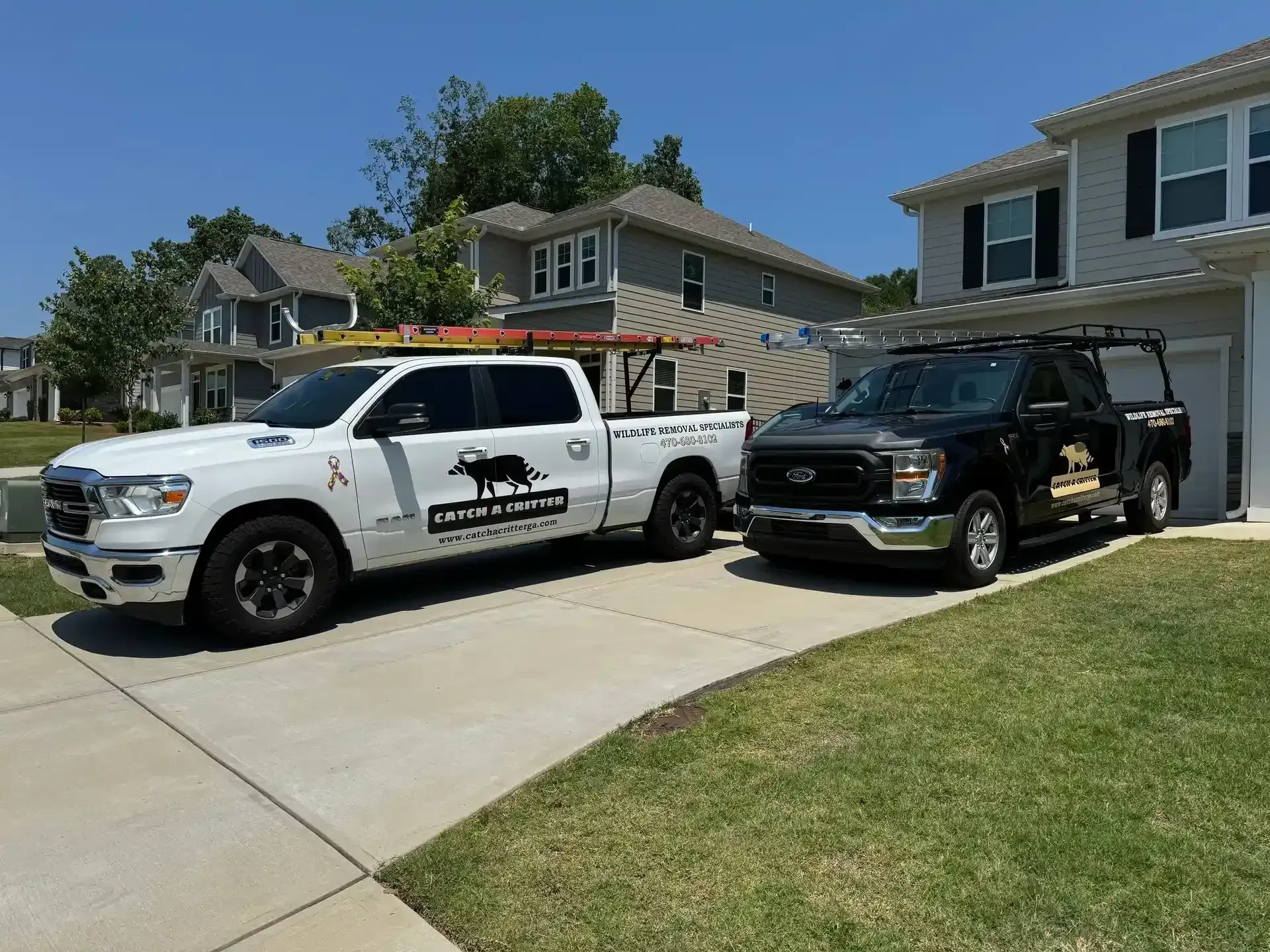
Protecting your Forsyth County home from wildlife damage requires humane wildlife removal in Georgia that combines local expertise, certified technicians, and durable structural solutions. Catch A Critter provides humane, end-to-end wildlife management tailored to the unique construction styles of North Georgia homes.
Our team of licensed
wildlife removal specialists in Cumming handles every phase of the process. We manage the initial inspection, safe capture, humane relocation, complete attic decontamination, and permanent structural exclusion. We back our exclusion work with durable materials designed to withstand chewing and clawing, ensuring your peace of mind.
Do not wait for wildlife to compromise your home's safety, ruin your insulation, or chew through your electrical wiring.
Contact Catch A Critter today to request your complimentary estimate and secure your property against wild intruders permanently.